Wednesday, September 30, 2026

Embossing and Debossing: Raising an Image Off the Sheet


Most printed effects change the colour of a sheet. Embossing and debossing change its surface. One lifts an image up, the other presses it down, and both leave the paper permanently shaped rather than merely marked. The result is read with the fingers as much as with the eyes.

A pair of dies

The tool is a matched set. A male die carries the image as a raised form, and a female die carries the same image as a recessed counter. The sheet is placed between them and pressure drives the fibres into the shape of the female. The male is often engraved in brass, copper or magnesium, and the female is produced as its exact counterpart, sometimes cast from the male itself so the two fit together without a gap. A harder die lasts longer and holds finer detail over a long run.

Monday, September 28, 2026

Imposition: How a Printer Arranges Pages on a Sheet


A sheet of paper does not come off the press with the pages in reading order. A book is printed on large sheets that carry many pages at once, and those pages are positioned so that when the sheet is folded and the folds are trimmed, the numbers run 1, 2, 3 down the block. The arrangement is called imposition, and it is one of the first things prepress settles before a plate is made.

Why the order changes

Print one page per sheet and the job is simple and slow. Fold the sheet into a signature and you can print 16, 32 or 64 pages on each side in a single pass. The pages are laid out on the flat in the positions they will occupy after folding, not in the order a reader sees. A 16-page signature, for example, stands for a sheet folded four times. Page 1 sits beside page 16, page 2 beside page 15, and so on, because each pair ends up facing each other once the sheet is folded and the folds are cut.

Sunday, September 27, 2026

Perfect Binding: How a Flat Spine Holds a Book Together


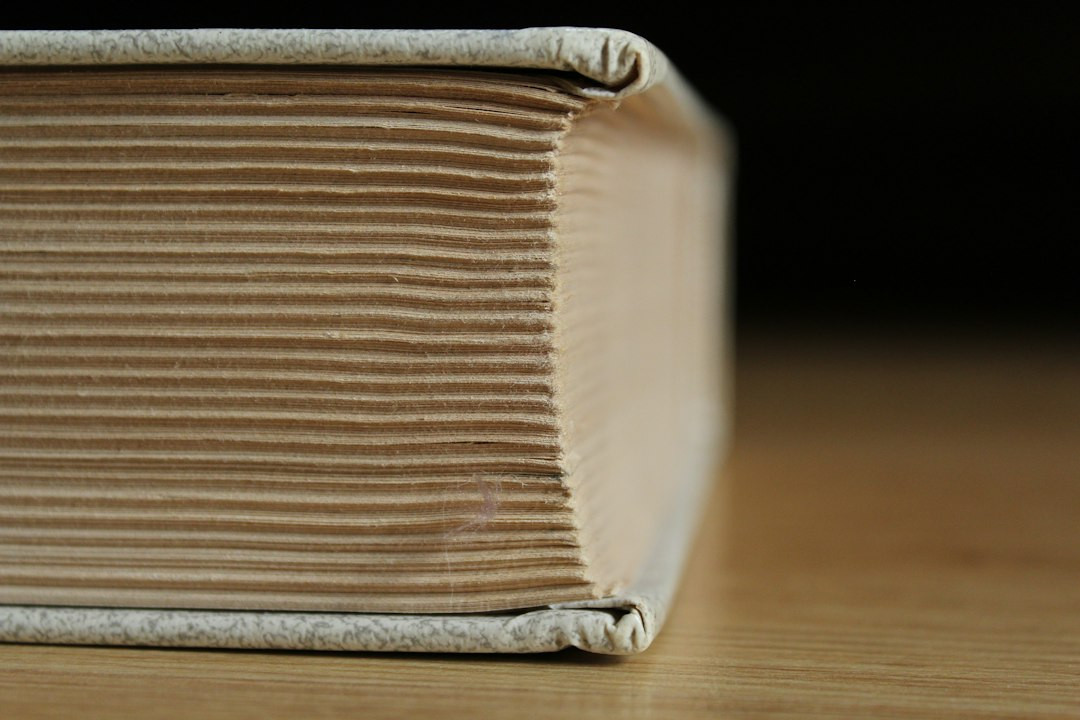
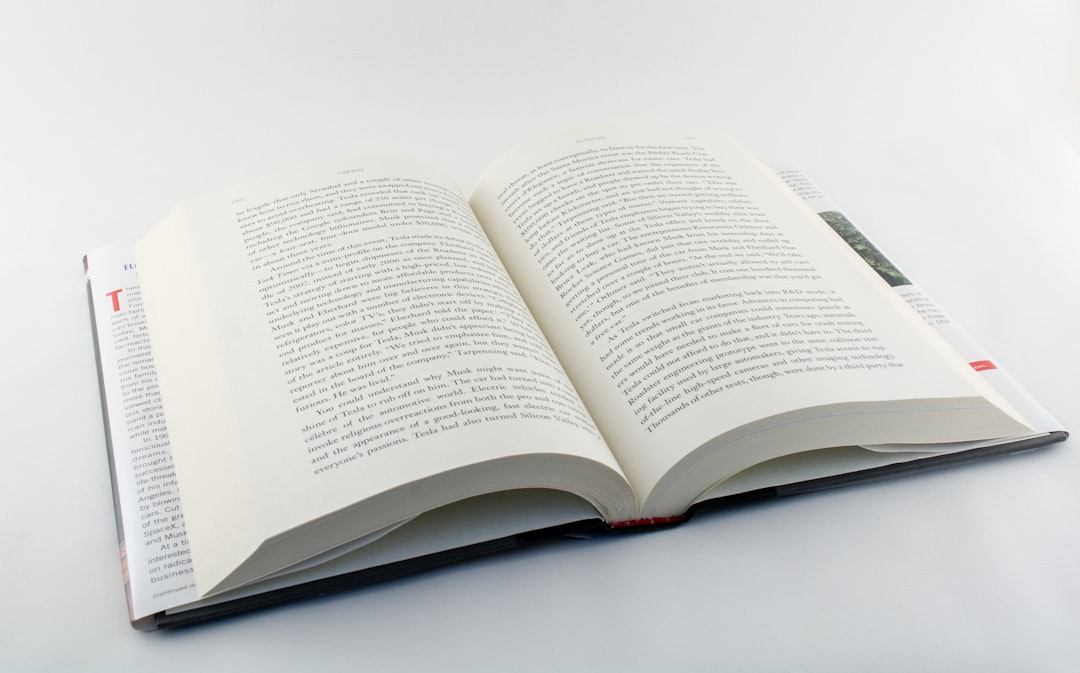
A paperback with a square spine has no stitches and no wire. The pages are held by a strip of glue along one edge, and the cover is a single printed sheet wrapped around the whole block. The method is called perfect binding, and almost every trade paperback, annual report and thick catalogue is made this way.

From folded sections to loose leaves

The text starts as folded sections, the same signatures that a stitched book would use, gathered in order. In a stitched book the folds at the spine stay intact and the thread or staples pass through them. In perfect binding the fold on the spine edge is cut away, so the sections open into single leaves. The binder clamps the block, mills off the fold, and leaves a flat, slightly rough edge for the adhesive.

Saturday, September 26, 2026

Bleed: Why Artwork Runs Past the Trim Line


Print a solid panel of colour to the edge of a sheet and two limits appear at once. A press cannot put ink on the very edge of the sheet, because the gripper needs bare paper to hold it, and the guillotine that trims the job cuts to a tolerance rather than to a hairline. Bleed is the allowance that keeps the printed edge clean despite both.

What bleed is

Bleed is the part of the artwork that sits outside the finished size. When the job is trimmed, that extra image is cut away, and any small movement in printing or cutting lands in the waste instead of opening a white sliver at the edge. The usual allowance is 3 mm on every edge that reaches the trim. Some work, such as a heavy cover board or a job with a wide cutting tolerance, is given 5 mm.

Friday, September 25, 2026

Trapping: The Small Overlap That Keeps a White Line Out


Two colours meet on a printed sheet. One is a solid blue panel, the next is a red band, and where they touch the edge should be a clean line. On press the paper moves and stretches, and the four inks do not always land in exactly the same place. If the artwork simply butts the two colours against each other, a thin sliver of bare paper can show between them. Trapping is the fix.

What trapping does

Trapping overlaps the two colours slightly along their shared edge, so normal movement on press cannot open a gap. The overlap is invisible because the two colours mix in the sliver, but it is wide enough to hide registration drift. The usual width is small, roughly a quarter of a point to half a point, and it is measured in the file.

Thursday, September 24, 2026

Varnish, Aqueous and UV: Three Ways to Protect a Printed Sheet


A printed sheet leaves the press with wet ink on it. Ink that rubs off on a hand, a bag or the next sheet in the stack is a problem, so most commercial work gets a clear coating before it is folded or cut. Three coatings do that job, and they are not interchangeable.

Varnish

Varnish is a clear ink with no pigment in it. It runs through a normal printing unit using a plate, so it can be laid down in a precise spot, around small type or a single logo, while the rest of the sheet stays bare. It dries by absorption and oxidation, slower than the other two, so sheets may need to sit before folding. Oil based varnish can yellow over time on white paper. Of the three it gives the least protection against scuffing and moisture, and it is the cheapest.

Wednesday, September 23, 2026

Registration: How Four Colours Land in the Same Place


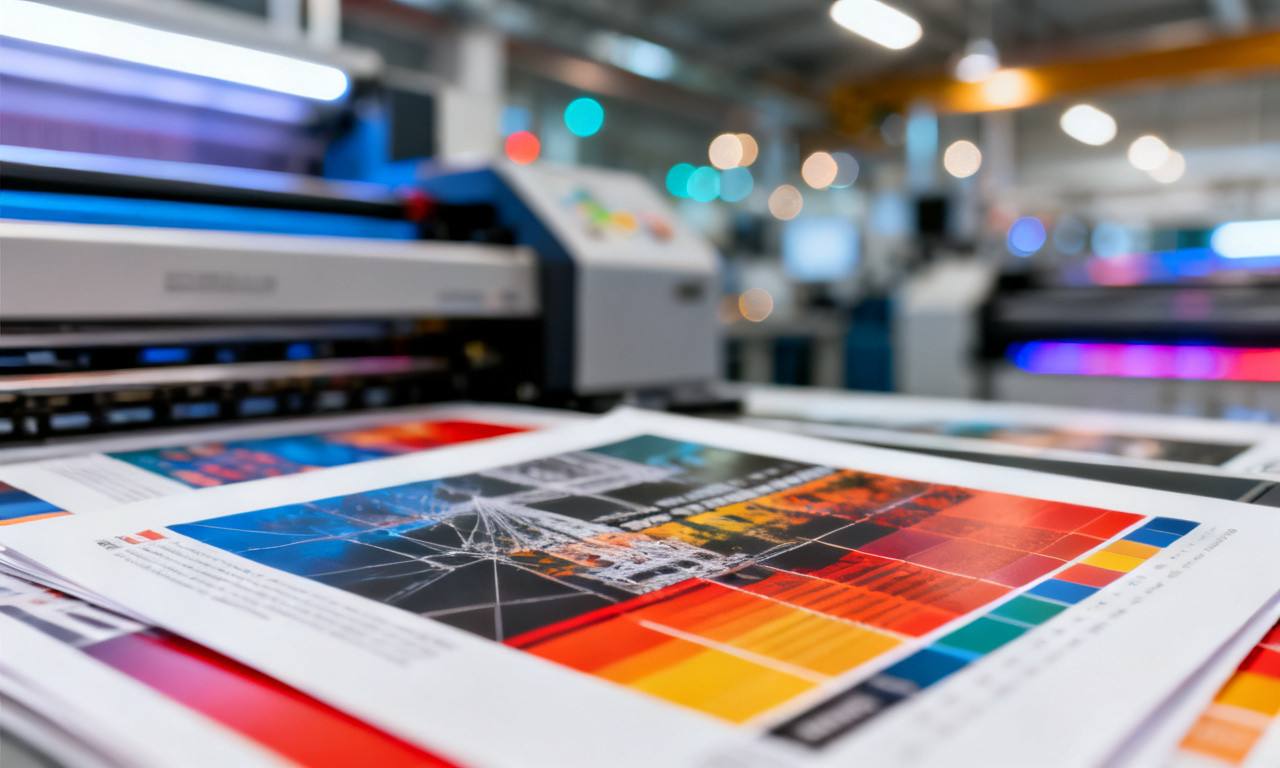
A sheet on an offset press passes through one unit for each colour. Cyan goes on first, then magenta, then yellow and black. Between units the sheet travels a short distance, and each plate has to put its colour exactly where the previous one did. That alignment is registration.

What goes wrong without it

Set four impressions slightly apart and the edge of every letter picks up a halo of the colours that missed. Fine type closes up. A solid headline takes on a coloured fringe. On a four colour image a shift of a tenth of a millimetre is enough to soften the whole picture.

Monday, September 21, 2026

Letterpress: Relief Printing and the Impression Left in the Paper


A letterpress plate works like a rubber stamp scaled up to a printing press. The image stands raised above the surface, ink touches only that raised face, and the paper is pressed against it. Almost everything else about the process follows from that one geometry.

The plate

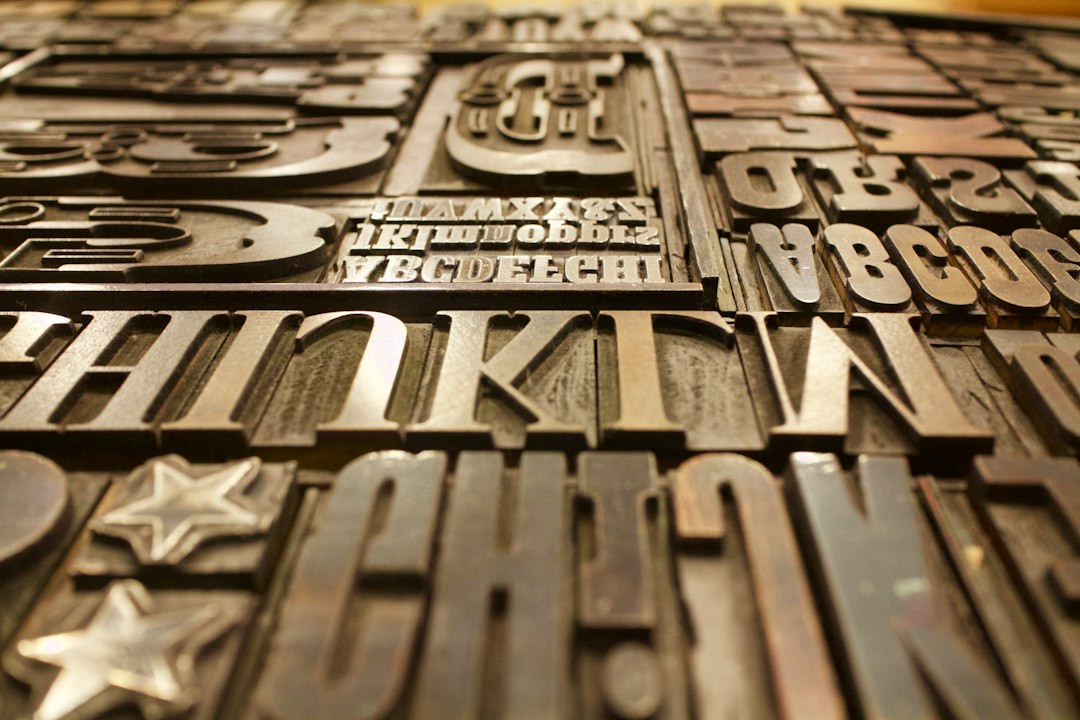
Older shops set metal type by hand and locked it into a chase, with wood type and carved blocks handling the larger display work. A modern shop builds the same raised surface from a photopolymer plate. A light-sensitive plastic on a metal base is exposed through a film positive, the exposed areas harden, and the unexposed background washes away in water. What is left is a plate where the artwork sits higher than everything around it.

Sunday, September 20, 2026

Three-Knife Trimming: How a Book Block Gets Its Final Edges


A block of pages leaves a perfect binder or a saddle stitcher with three rough edges. A three-knife trimmer cuts all three in one pass and turns that block into the book a reader holds.

Which three edges

A bound block has one closed edge (the spine) and three open ones: the head at the top, the foot at the bottom, and the fore-edge at the front. The trimmer cuts the head, the foot and the fore-edge, so every copy comes out the same size and square.

Saturday, September 19, 2026

Font Embedding: Why a Missing Font Breaks a Print-Ready File


A print-ready file can look perfect on the designer's screen and still fail at the printer, because one font was never embedded. The layout is right, the colors are right, and the text turns into a substitute typeface the moment the file reaches the RIP.

What embedding actually means

A PDF does not carry the fonts that happen to live on a computer. It either contains the font data inside the file or points to a font by name. Embedding means the glyph outlines travel with the PDF, so the RIP draws every character exactly as designed. PDF/X-1a and PDF/X-4 both require it. A file with an unembedded font fails preflight before it reaches a press.

Friday, September 18, 2026

PDF/X-1a or PDF/X-4: Which Print-Ready File to Send


A print shop asks for a PDF/X file, and the export dialog offers several versions of it. The two that matter most are PDF/X-1a and PDF/X-4, and they were built for different generations of prepress.

One standard, two generations

PDF/X-1a comes from ISO 15930 parts 1 and 4 and is based on the older PDF 1.3 and 1.4 family. PDF/X-4 is ISO 15930-7 and runs on PDF 1.6. The version number decides what the file is allowed to contain.

Thursday, September 17, 2026

Coated and Uncoated Paper: How the Surface Changes the Same Ink


Two jobs can run the same ink, the same file and the same press, and still come back looking different. The paper surface is usually the reason.

Coated stock keeps ink on the surface

Coated paper carries a layer of clay or calcium carbonate over the fibre. That layer is smooth and closed, so ink sits on top instead of sinking in. The result is a sharp dot, a crisp edge and strong colour density. Photographs and fine type hold detail that a rough sheet would blur.

Wednesday, September 16, 2026

Overprint or Knockout: How Two Inks Meet on the Page


When two shapes overlap in a print file, the software makes a quiet decision about what happens underneath. That decision is knockout or overprint, and it changes the printed result.

Knockout leaves a hole

A knocked out object cuts a matching hole in the background beneath it. The press then prints the top colour straight onto bare paper inside that hole. The colour stays pure because no ink mixes under it. A cyan circle on a yellow field prints as clean cyan on yellow.

Tuesday, September 15, 2026

Carbonless Paper: How a Form Copies Itself Without Carbon


A carbonless form produces copies with no carbon sheet between the plies. The copy appears because the paper itself carries two coatings, and they react when a pen presses down.

Two coatings, one reaction

The top sheet is coated on the back with tiny capsules, each one holding a colourless dye in oil. The sheet underneath is coated on the front with a clay or resin that acts as a developer. Pressure from a pen or a printer breaks the capsules, the dye spills onto the sheet below, and it reacts with the developer to form a visible mark. Nothing happens until the paper is pressed, which is why the sheets stay clean in the box.

Monday, September 14, 2026

Screen Printing: How Mesh, Squeegee and Emulsion Set the Ink Layer


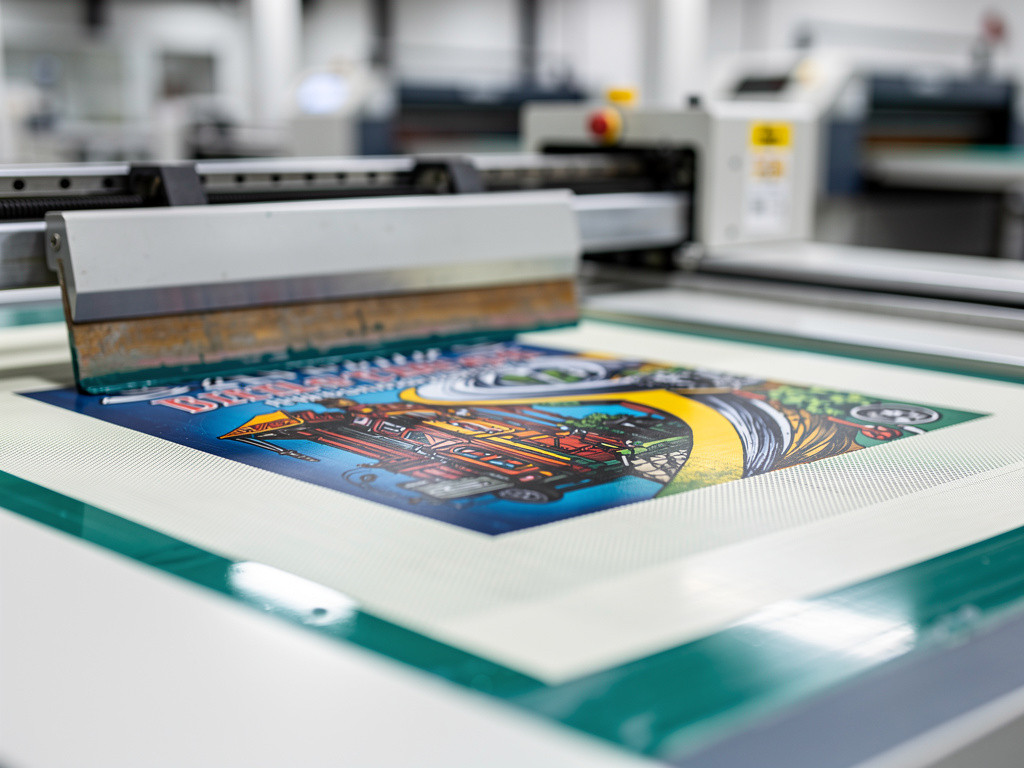
A screen print sits on the surface as a flat patch of colour, thicker than anything an offset press lays down. That depth is no accident. It comes from pushing ink through an open mesh with a rubber blade, and every part of the setup decides how much ink lands.

The mesh is the measuring cup

The screen is a woven fabric stretched over a frame and coated with a light-sensitive emulsion. Where the artwork sits, the emulsion is washed away and open holes remain. A coarse mesh with 86 to 110 threads per inch leaves wide openings and passes a heavy layer of ink. A fine mesh at 230 threads or more leaves small openings and lays down a thin, detailed film. Two screens with the same count can still differ, because thinner threads leave more open area and carry more ink.

Sunday, September 13, 2026

Kiss Cutting: How Stickers Are Cut Without Cutting the Liner


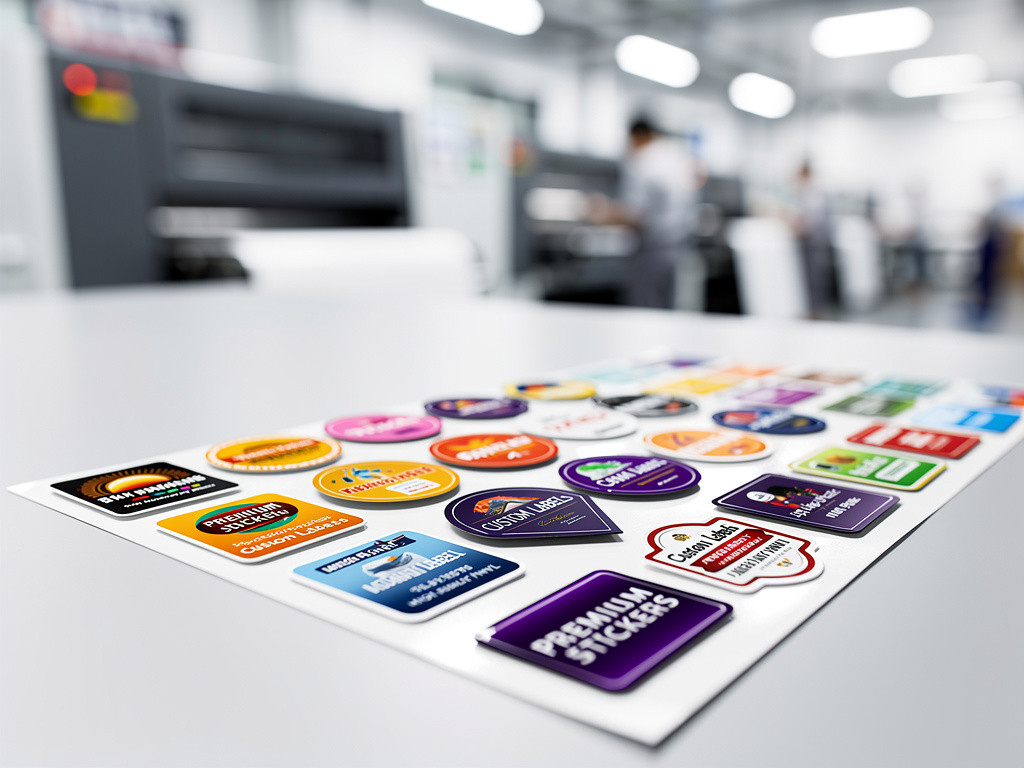
A sheet of labels looks like one flat printed page. Peel a sticker off it and only that sticker comes away, with the rest of the sheet still sitting neatly in place. That behaviour comes from a cutting method called kiss cutting, where the blade goes through the sticker and the glue but stops at the liner underneath.

Cutting depth is the whole trick

Kiss cutting uses a steel rule die bent into the shape of the label. The die is mounted on a cylinder or a flat bed and pressed against the printed sheet until the rule cuts the face material and the adhesive layer. The blade must stop before it reaches the liner. Too shallow and the sticker is still attached and tears when it is peeled. Too deep and the liner is scored or cut through, which lets the sheet fall apart on the press and defeats the purpose of a release liner.

Saturday, September 12, 2026

Gang Run Printing: How Several Jobs Share One Offset Sheet


Most small print jobs do not fill a printing press. A run of business cards, a batch of postcards, a folded leaflet: each one may take up a small corner of the sheet a large offset press can carry. Gang run printing fills the rest of that sheet with other jobs, so the press prints paid work instead of empty paper.

The sheet is planned before anything is printed

A gang run starts as a layout. The jobs are nested side by side and stacked down the sheet, arranged around their finished sizes, the quantity each buyer needs and the format the press will run. One plate may carry a dozen business cards, two postcards and a rack card in a single arrangement. The whole sheet is printed in one pass, then cut apart in finishing, and each loose piece goes to its own job.

Friday, September 11, 2026

Cold Foil: Metallic Effects Straight From the Press


Metallic print often brings to mind hot foil stamping: a heated die, a sheet of foil, pressure, and a bright shine pressed into the page. Cold foil reaches a similar visual result by a completely different route, one that runs inline on the printing press.

How cold foil transfers

The process starts with an adhesive printed onto the sheet, in exactly the shape of the metallic area. That adhesive is a printing unit's job, so it can carry fine detail and halftones like any other ink. A thin metallic foil film is then pressed against the wet adhesive as the sheet travels through the press. Where adhesive sits, the foil sticks. A UV lamp cures the adhesive inside the press, and the carrier film is stripped away with the foil left only where it was wanted.

Thursday, September 10, 2026

EVA vs PUR: The Two Adhesives Behind Perfect-Bound Paperbacks


Open a softcover book and look down the spine gutter and you will usually find glue. Nearly every softcover book on a shelf is perfect bound: the folded pages are milled at the spine, roughened, and held together by a single adhesive. Which adhesive depends on two names: EVA and PUR.

EVA, the workhorse hot melt

EVA stands for ethylene-vinyl acetate. It is a hot-melt adhesive, applied molten at high temperature, and it sets in seconds as it cools. That speed is why EVA dominates high-volume paperback production: a binding line can turn a pile of trimmed book blocks into finished books without waiting on a chemical cure.

Wednesday, September 9, 2026

Inside an Offset Printing Unit: Plates, Blankets and the Impression Cylinder


The heart of an offset press is the printing unit, one for each ink color on the job. A four-color sheetfed press stacks four of these units in a row, and every one of them performs the same quiet sequence: plate, blanket, paper.

The plate cylinder

The image for one color is carried on a thin metal or polyester plate wrapped around the plate cylinder. The plate is flat and photographic: it has been exposed and processed so that image areas accept ink while non-image areas accept a film of dampening water and reject ink. Each revolution of the cylinder brings the plate under a train of ink rollers, and the ink sticks only where the plate tells it to.

Embossing and Debossing: Raising an Image Off the Sheet

Most printed effects change the colour of a sheet. Embossing and debossing change its surface. One lifts an image up, the other presses it ...