
As thousands of young people recently received their exam results across the UK, most attention turned to university admissions. Yet a parallel conversation deserves equal weight: the career pathways available in modern manufacturing, specifically within the printing and packaging sector.
The Skills Gap in Print Manufacturing
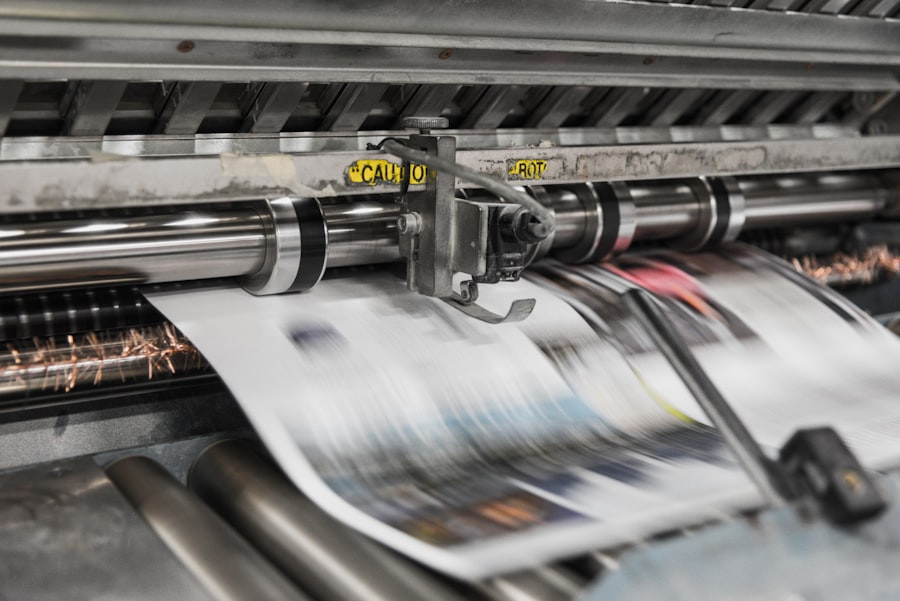
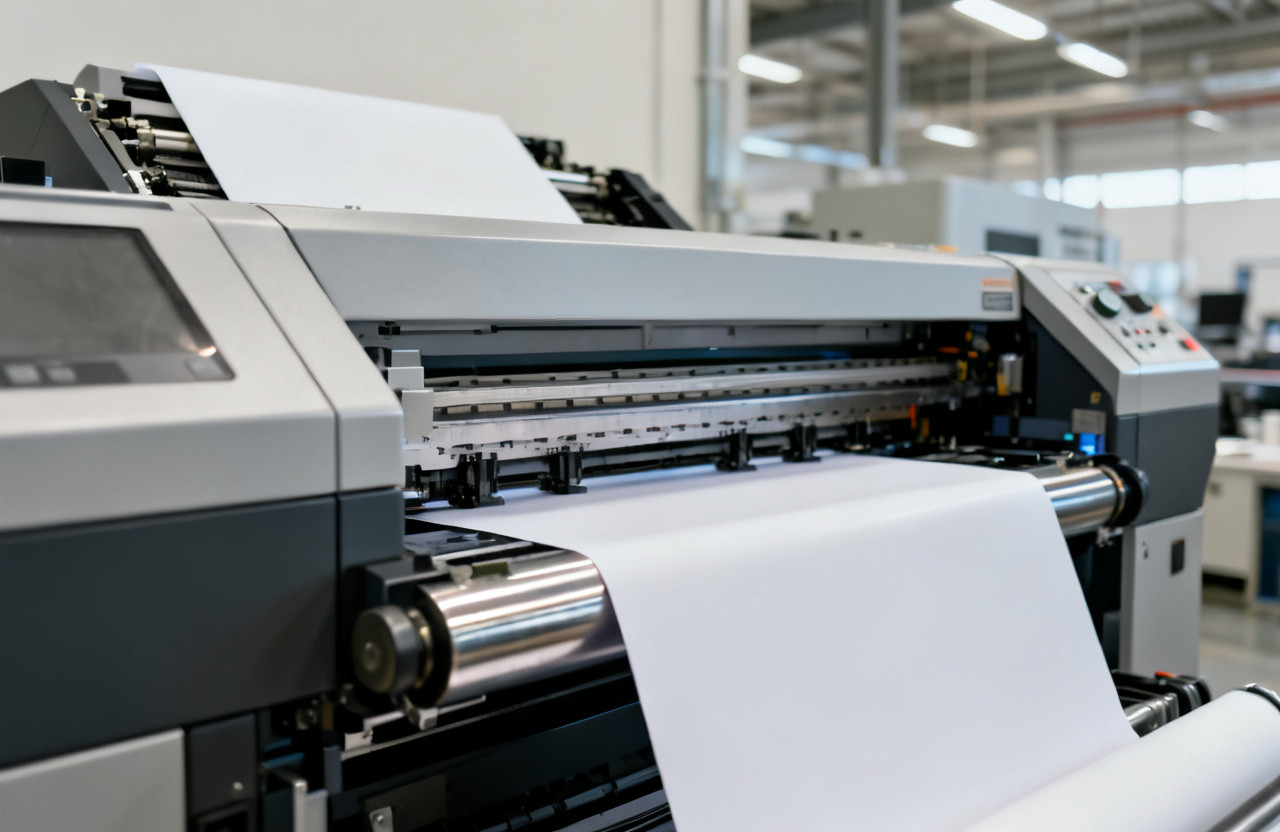
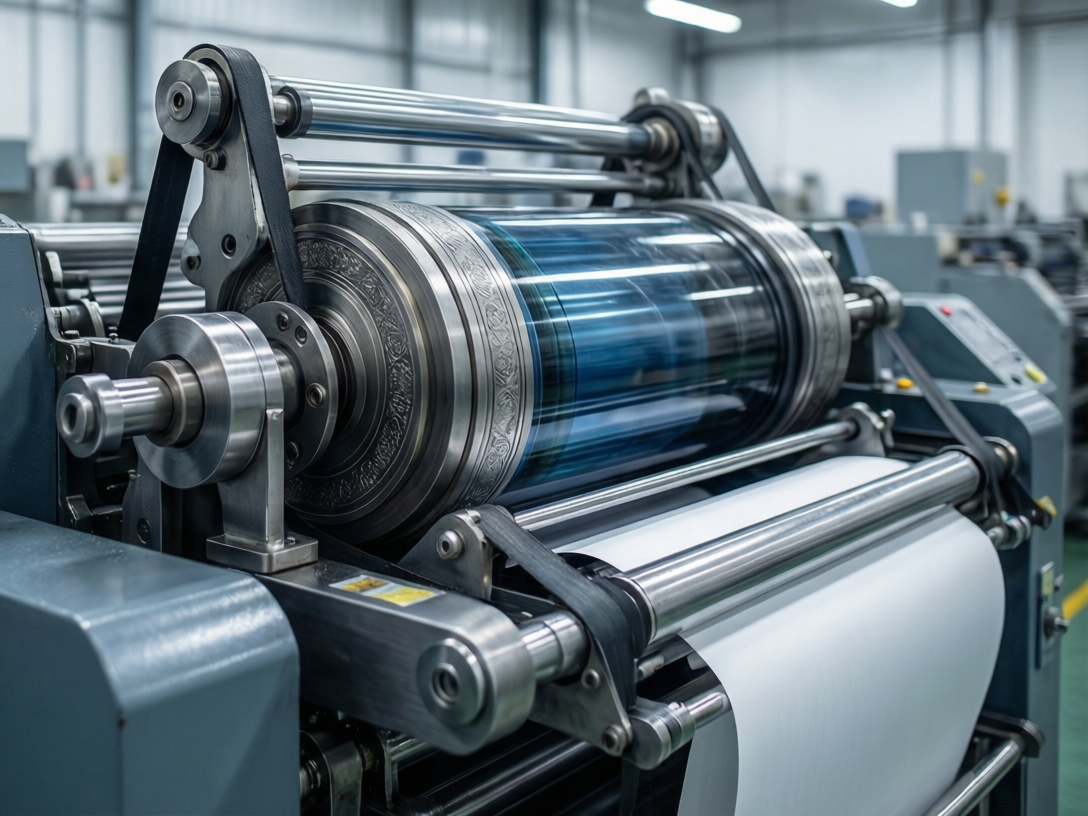
The printing industry has transformed into a technology-driven sector requiring expertise in color science, material engineering, digital workflow automation, and data integration. Press operators manage multi-million-dollar equipment with digital interfaces and automated color control. A prepress technician needs to understand PDF standards, color management profiles, and variable data scripting. These are technical careers with competitive salaries.



















.jpg)
