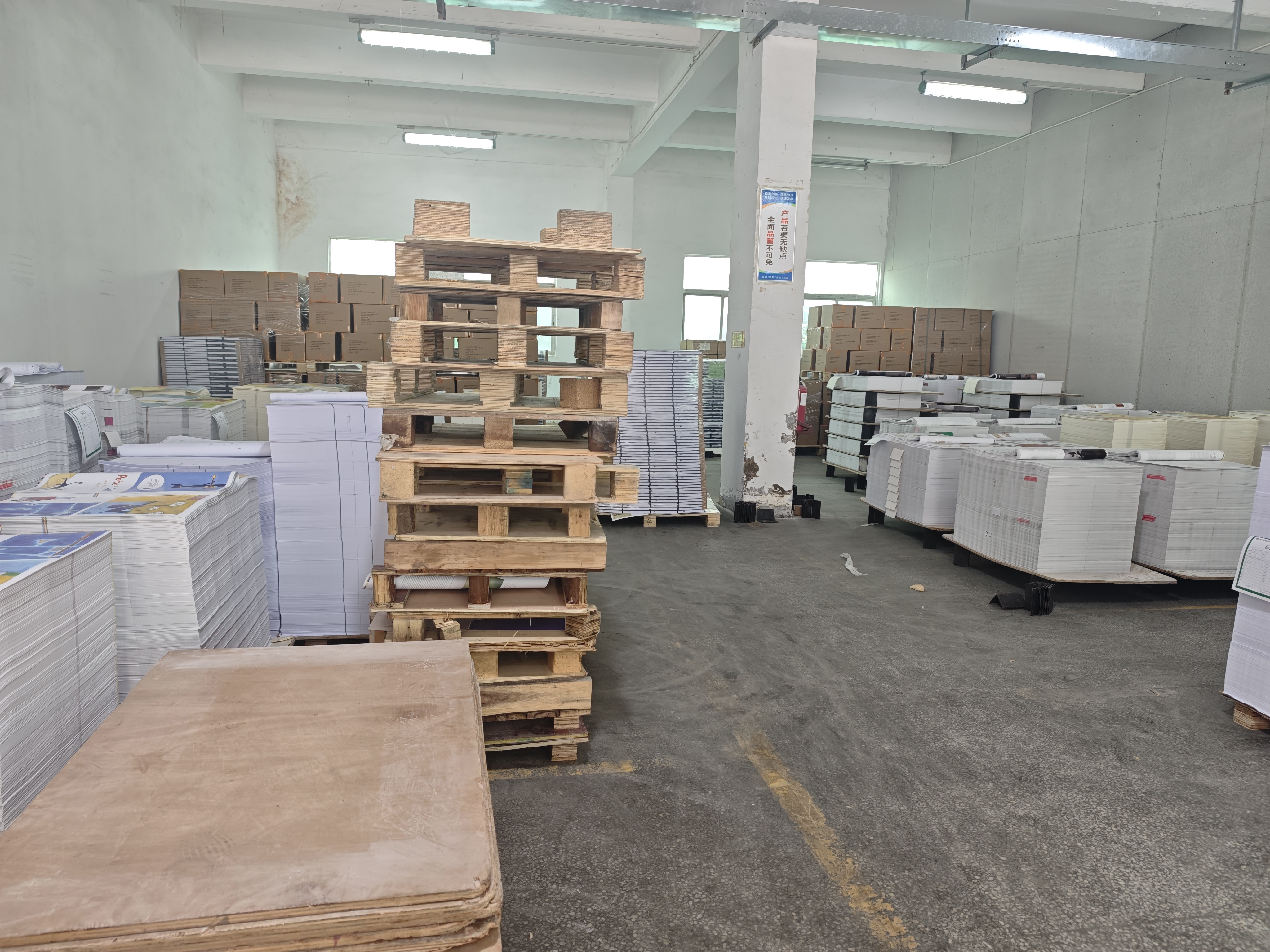
Digital printing's substrate problem is quietly being solved. Mohawk, a major name in premium papers, has expanded its Digital Collection with a broader range of sheets optimized for sheetfed inkjet technology, the result of collaboration and testing with HP Indigo, Canon, and Konica Minolta. The move reflects a wider industry shift: as digital presses handle more commercial, packaging, and book printing work, paper mills are engineering substrates specifically for inkjet's chemistry, not adapting older grades and hoping for the best.
Why Inkjet Needs Its Own Papers
Inkjet presses jet water-based inks onto the sheet, and the paper's surface chemistry decides how those inks behave. A paper made for toner or offset can show ink bleed, mottling, or slow drying on an inkjet press. Papers developed for digital production control absorption, hold dot shape, and dry fast enough for inline finishing. The new Mohawk grades span established lines like Superfine, Options, Via, Renewal, Loop, Mosaic, and Everyday Digital, available across colors, finishes, and weights, and, notably, including grades engineered for digital packaging.
What the Expansion Signals
The strategic signal is that premium paper makers now treat digital as a first-class production technology, not a compromise. The collection's new swatchbook is organized around "why digital", personalization, shorter runs, print-on-demand, faster turnaround, and less waste, and around the finishing techniques digital work supports: foils, varnishes, embossing, debossing, and specialty inks. For print buyers, this means the old trade-off between digital convenience and premium feel is narrowing. A short-run project can now be specified on a premium sheet that behaves predictably on an inkjet press.
The Book Printing Angle
For book printing, the timing matters. Print-on-demand and short-run digital book production have grown rapidly, and the quality ceiling for those books has often been the paper, not the press. Inkjet-optimized papers with controlled formation and consistent surface give digital book runs a cleaner text page, better halftones, and a more stable feel from copy to copy. When a publisher or author compares digital and offset quotes, paper selection now narrows the quality gap between them.
What to Watch Next
Expect more mills to follow with inkjet-optimized versions of their flagship grades, and expect press vendors to keep co-engineering substrates with paper companies. The practical takeaway for print buyers is simple: when specifying a digital job, ask which papers were validated with the press being used, the answer increasingly separates a good digital print run from a great one.


.jpg)

No comments:
Post a Comment