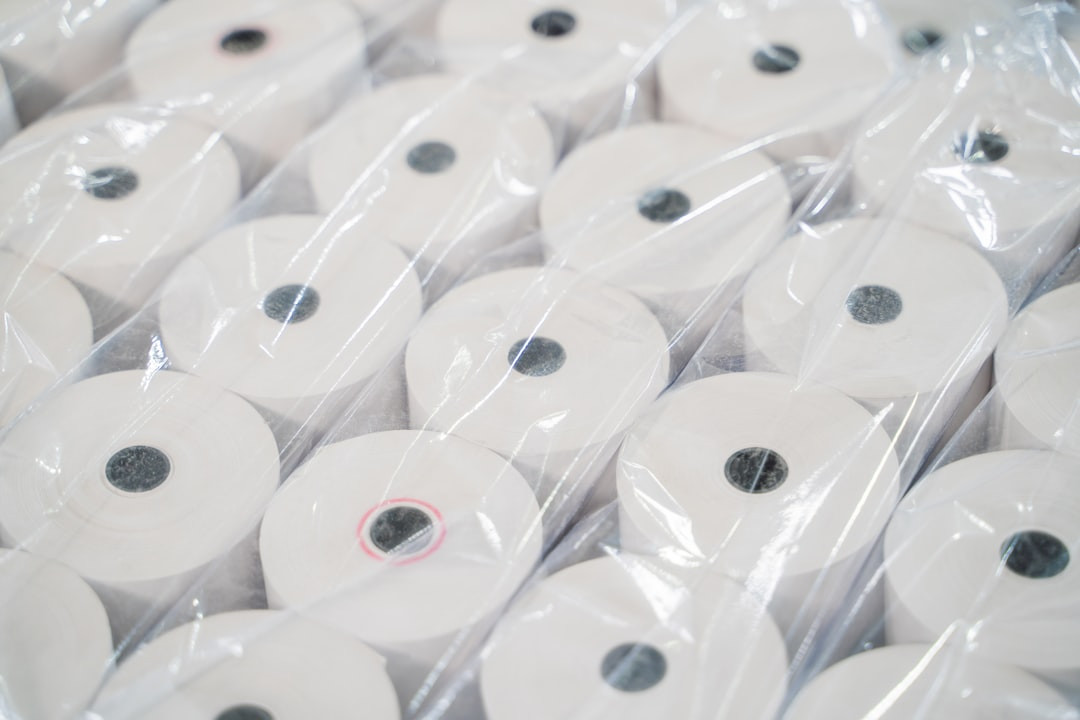
Linerless labels have moved from niche supply to a standard option in food service and retail fulfillment. The format drops the silicone-coated backing that traditional pressure-sensitive labels carry, printing instead on a continuous roll with a release coating on the face of the material. The result is a roll that holds roughly 30 percent more labels than an equivalent roll with liner, because no material is thrown away between labels.
Why the backing exists
The liner protects the adhesive until application, then becomes waste. In high-volume kitchens and packing stations, liner waste fills bins, adds disposal cost, and slows every application, since each label must be peeled from its backing. Linerless systems remove the peel step: the printer cuts the label and the operator applies it directly.
Where the format wins
Order accuracy drives adoption in restaurants. Kitchen systems print modifications, allergy alerts, and routing details on every label, so one roll serves order picking, bagging, and delivery dispatch. E-commerce and buy-online-pick-up-in-store operations follow the same logic, printing destination labels at the moment of packing. Digital orders now make up around 17 percent of total US retail sales, and fulfillment speed depends on labels that print and apply in a single motion.
What holds adoption back
The switch is not free. Linerless printers use a cutting mechanism that must handle the adhesive face without gumming, and software needs configuration for a different roll diameter and print length. Applicator lines built for die-cut labels require modification. Those costs are falling as printer makers bundle linerless support, yet the move remains a workflow project rather than a supply swap.
What it means for label buyers
For anyone specifying labels, linerless changes the economics in three places: less waste per roll, fewer roll changes, and faster application at the point of use. The trade-off is hardware changeover and a narrower range of decorative face stocks, since the release coating competes with printability. Linerless is taking the jobs where speed and volume matter most, while pressure-sensitive label printing keeps the decorative brand work.
Which label segments will linerless claim next?


.jpg)

No comments:
Post a Comment