Posts

Smyth-Sewn Binding: The Gold Standard for Hardcover Books

Image
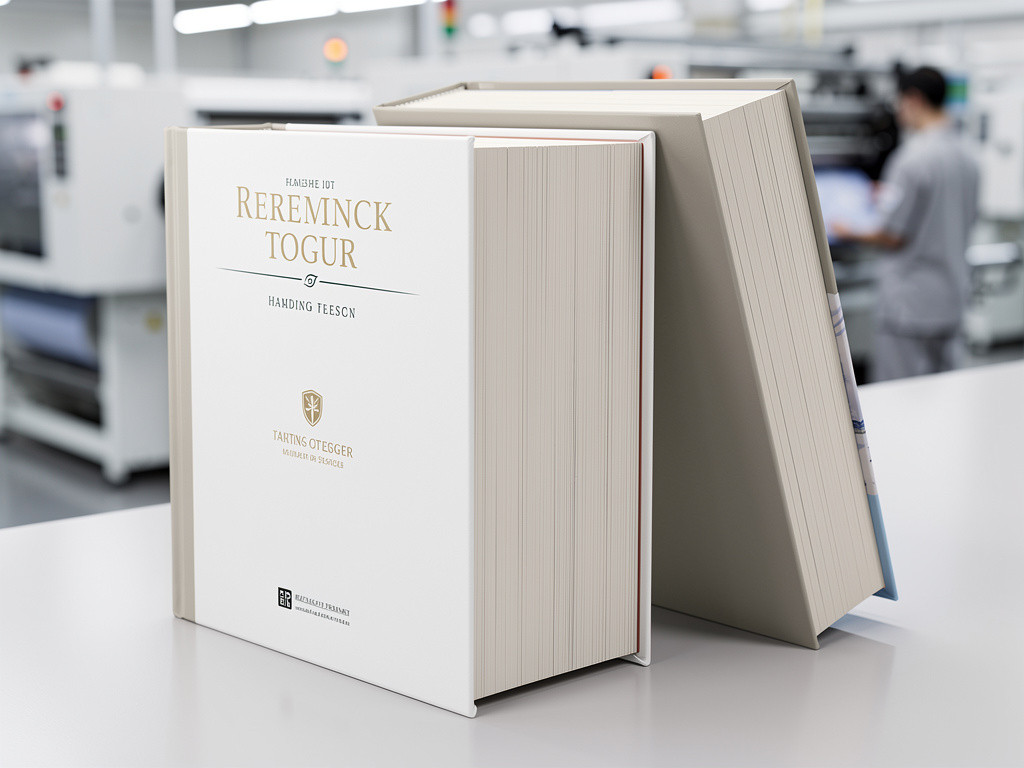
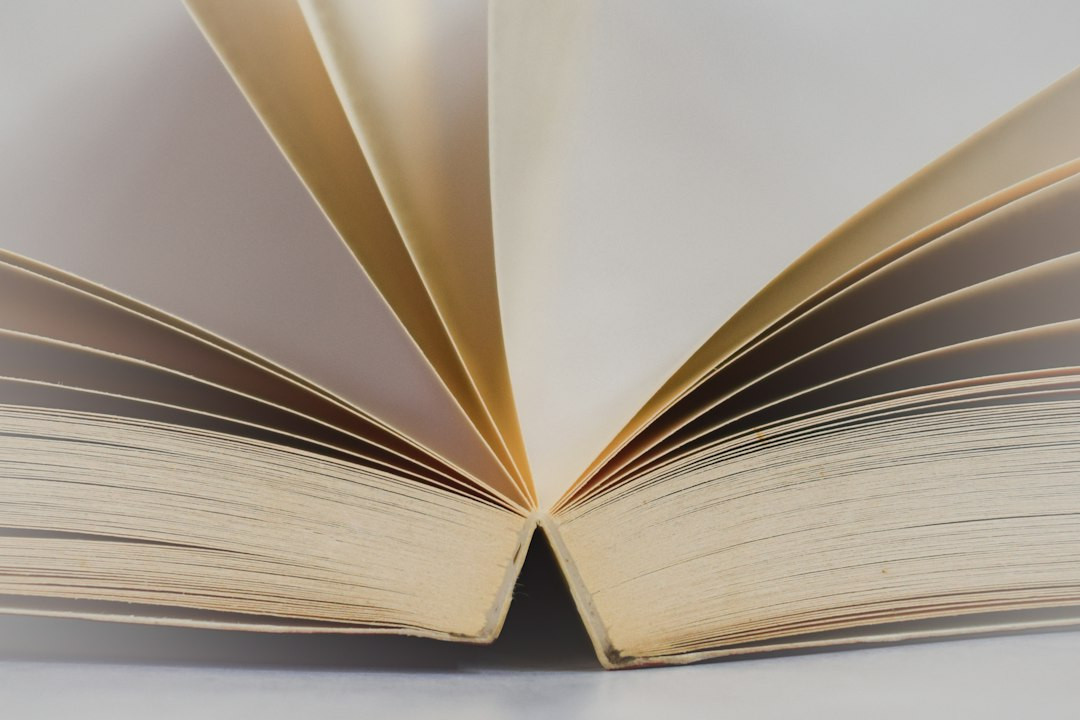
Smyth-sewn binding is widely considered the highest quality bookbinding method available today. Unlike adhesive binding methods that rely on glue alone, Smyth sewing uses thread to physically stitch each signature of pages together before attaching the cover. Why Smyth-sewn matters: A Smyth-sewn book can open completely flat without cracking the spine. This makes it ideal for art books, cookbooks, notebooks, and any publication where readers need to lay the book open on a desk. Durability comparison: Smyth-sewn books often last 50+ years with normal use, compared to 5-10 years for perfect-bound paperbacks. The thread stitching distributes stress evenly across the spine, preventing pages from falling out over time. Cost considerations: Smyth-sewing adds approximately 20-30% to production costs compared to perfect binding. However, for premium hardcover editions intended to last, the investment is well justified. Best applications: Art and photography books, limited edition publ...

Book Binding Types: Perfect Binding vs Saddle Stitching vs Case Binding

Choosing the right book binding method is one of the most important decisions in self-publishing. Three methods dominate the market: perfect binding, saddle stitching, and case binding. Perfect binding is the standard for paperback books. Pages are glued to a flexible spine, producing a clean professional look. It works best for books with 24-350 pages. Saddle stitching uses wire staples through the center fold. It is the fastest and most affordable option, ideal for booklets, brochures, and magazines under 64 pages. Case binding (hardcover) is the gold standard for quality. Pages are sewn or glued into a rigid board cover, producing books that can last for decades. Best for special editions and art books. For self-publishers, the right choice depends on your budget, page count, and audience. A 200-page novel works great as a perfect bound paperback, while a photography portfolio deserves case binding. What is your go-to binding method for your projects?

Printing Knowledge: What Is DPI and PPI?

Image
DPI and PPI are two fundamental concepts in printing, yet they are often misunderstood or used interchangeably. In reality, they describe different aspects of image quality. Understanding the difference is essential for achieving sharp, professional results—especially in book printing and other commercial printing projects.

The Impact of Prepress Imposition on the Binding Quality of Book and Magazine Printing

Image
 In professional book printing , many critical production details are defined during the prepress imposition stage. These include the unification of trim and register marks across different jobs, the reservation of binding and milling margins, the standardization of process marks, and the correct handling of cross-spread and bleed images. Any inaccuracy at this stage can directly affect binding precision and final finishing quality. For saddle-stitched products, page creep must also be carefully controlled. Paper thickness, folding structure, and signature nesting all influence page position after binding. Without proper compensation, page numbers, running heads, and text blocks may appear misaligned in the finished publication. As a key step in production execution, the completeness and accuracy of imposition determine the stability and consistency of all subsequent binding and finishing processes.

How to Apply Trapping in Graphic Processing Software

Image
 Trapping is a specialized prepress technique used to correct misregistration between solid CMYK color areas in printing. Even minor misalignments can create visible white gaps along color edges, which is particularly critical in professional book printing . In general, trapping should not be applied to continuous-tone images like photographs, as it may reduce detail, create color artifacts, and degrade overall image quality. Over-trapping solid colors is unnecessary and may produce visible keylines or crosshair patterns on CMYK plates, often appearing only during film output or plate making. The principle of trapping is straightforward: slightly enlarge adjacent color areas to create a very narrow overlap. This overlap compensates for minor registration errors while remaining visually undetectable in the final print. Most vector-based software, such as Adobe Illustrator and FreeHand, implements trapping using this method.

The Importance of Ink and Paper in Security Printing

Image
 As global awareness of counterfeit documents and products continues to rise, security printing has become a critical line of defense. Among all anti-counterfeiting technologies, ink and paper remain the most fundamental and effective components. When properly combined, they help prevent document alteration, duplication, and forgery at both visual and forensic levels. This article explores how different types of security inks and papers work together to protect sensitive printed materials, such as checks, certificates, prescriptions, and secure publications. I. Security Inks: The First Line of Defense Security inks are specifically engineered to reveal tampering or verify authenticity. Each type serves a distinct function within a comprehensive document protection strategy.

Post-Press Surface Finishing Techniques for Color Printing

Image
 Post-press surface finishing plays a vital role in color printing and packaging production. In today’s highly competitive printing market, the success of a product often depends on the quality of its packaging. Well-executed surface finishing directly affects the overall appearance, texture, and perceived grade of packaging, thereby influencing a product’s competitiveness in the market. From professional book printing to premium commercial packaging, post-press surface finishing is an essential technical process used to enhance packaging value, strengthen brand image, and improve product appeal.