Thursday, July 30, 2026

The Role of Book Printing in Academic Publishing


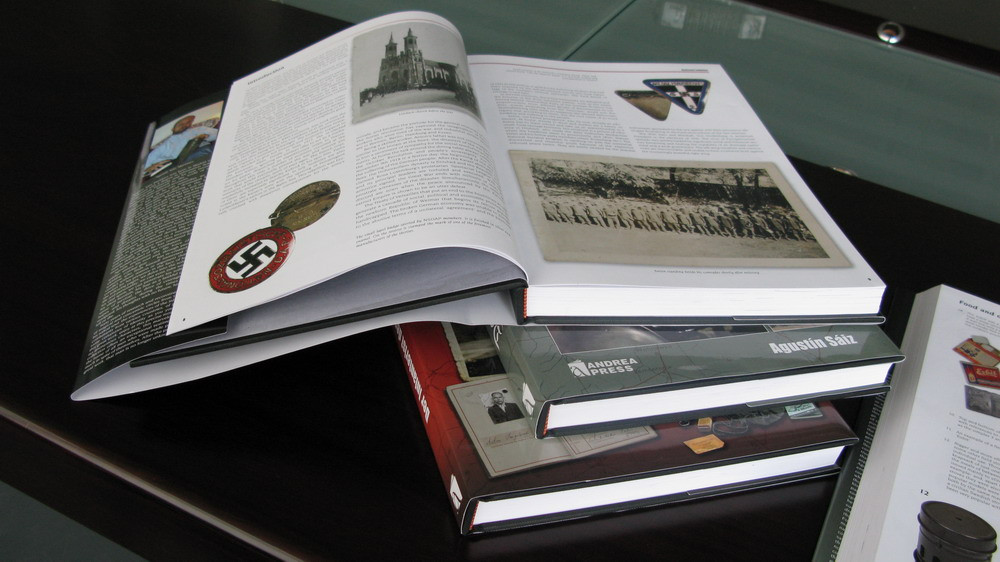
Academic publishing places demands on book manufacturing that differ significantly from trade publishing. Scholarly works require precision in layout, longevity in materials, and flexibility in format.

Format and Paper for Academic Works

Academic books typically use larger trim sizes (6" x 9" or 7" x 10") for complex layouts. Acid-free, archival-grade paper is standard, ensuring content remains readable for generations. For text-heavy works, 60-70gsm uncoated cream paper provides the best balance.

Wednesday, July 29, 2026

Paper Weight Guide: Choosing GSM for Your Print Project


Paper weight is measured in grams per square meter (GSM) and determines the thickness, stiffness, and opacity of the paper. Choosing the right GSM is crucial for both the functionality and feel of your printed product.

Lightweight papers (60-100 GSM) are typically used for newspapers, flyers, and text-heavy publications where economy is important. These papers have some show-through and feel thin to the touch. They fold easily but may not stand up to heavy handling.

Tuesday, July 28, 2026

Understanding Paper Weight and GSM for Print Projects


Paper weight is measured in grams per square meter (GSM) and determines the thickness, stiffness, and opacity of the paper. Choosing the right GSM is crucial for both the functionality and feel of your printed product.

Lightweight papers (60-100 GSM) are typically used for newspapers, flyers, and text-heavy publications where economy is important. These papers have some show-through and feel thin to the touch. They fold easily but may not stand up to heavy handling.

Monday, July 27, 2026

Why Bleed and Crop Marks Matter in Print Design


Bleed and crop marks are fundamental to professional print production. Understanding these concepts is essential for anyone designing materials for commercial printing.

Bleed refers to the area that extends beyond the finished trim edge of a printed piece. Typical bleed is 3mm on each side. When a design element (a background color, photo, or graphic) goes to the edge of the page, bleed ensures that after trimming, there's no unsightly white edge. Without bleed, even the most precise cutting will leave a thin white line where the paper shows through.

Sunday, July 26, 2026

CMYK vs PMS Color: When to Use Each Printing System


Understanding the difference between CMYK process color and PMS (Pantone Matching System) spot color is essential for achieving consistent, predictable results in commercial printing.

CMYK is a four-color process that uses cyan, magenta, yellow, and black inks. These are printed as overlapping halftone dots to create the full color spectrum. CMYK is ideal for photographic images, gradients, and projects with many colors. It's the most economical choice because only four printing plates are needed.

Saturday, July 25, 2026

Book Binding Methods: What Every Self-Publisher Should Know

Choosing the right binding method is one of the most important decisions in book production. Each method offers different benefits in terms of durability, cost, and aesthetic appeal.

Perfect binding is the most common method for paperback books. Pages are glued to the spine with a flexible adhesive, creating a flat spine that can be printed on. It works well for books with 40-300 pages and offers a professional look at an affordable price point.

Friday, July 24, 2026


The book printing industry is undergoing a structural shift. Print-on-demand (POD) technology has matured to the point where digital output quality rivals traditional offset printing — sharper text, richer color reproduction, and binding strength that meets library-grade standards. This evolution is reshaping how publishers approach inventory, distribution, and environmental responsibility.

The Economic Case for Short-Run Production

Large offset runs — once the default model for cost efficiency — create significant financial risk through warehousing, overstock, and eventual pulping of unsold units. The environmental cost is equally concerning: millions of books are destroyed annually because they never found readers. POD eliminates this waste by producing copies only when orders are placed. For independent publishers and self-published authors, the barrier to entry has dropped dramatically. A print run of 50 or 100 copies is now economically viable, opening distribution channels for niche genres, academic monographs, and regional literature that traditional publishing models could not support.

Thursday, July 23, 2026

Why Right-Sized Corrugated Packaging Is the Future of E-Commerce Logistics


The explosive growth of e-commerce has put unprecedented pressure on the packaging supply chain. As online orders continue to account for a growing share of retail sales, the logistics of getting products safely to consumers has become a critical competitive differentiator. One of the most important trends shaping this landscape is the move toward right-sized corrugated packaging.

Right-sizing means engineering a box that fits the product precisely, eliminating unnecessary void fill and reducing dimensional weight. The logic is simple: smaller boxes mean more packages fit on a pallet, more pallets fit in a truck, and fewer trucks are needed to deliver the same number of orders. For a large-scale e-commerce operation, even a 10% reduction in average box volume can translate into millions of dollars in annual shipping savings.

Wednesday, July 22, 2026

Why Short-Run Custom Packaging Is the Smartest Move for Brands in 2026


The era of massive minimum order quantities is ending. In 2026, brands of all sizes are discovering that short-run custom packaging — enabled by advanced digital printing — is not just a cost-saving tactic but a strategic advantage.

Digital printing technology has matured dramatically. Modern digital presses from Heidelberg, HP, and Koenig & Bauer now deliver offset-matching quality at runs as low as 50–500 units. This means a startup launching a limited-edition product, a cosmetics brand testing a new seasonal collection, or an e-commerce seller A/B testing packaging designs can all get premium printed boxes without committing to 5,000 pieces.

Monday, July 20, 2026

The Rise of Smart Packaging: NFC, QR Codes, and Digital Product Passports


In 2026, packaging is no longer just a container — it's a connected digital touchpoint. The rapid adoption of Near Field Communication (NFC) tags, dynamic QR codes, and Digital Product Passports (DPPs) is transforming how brands interact with consumers after the point of sale.

NFC-enabled packaging allows consumers to tap their smartphone against a product box to instantly access authentication details, usage guides, loyalty rewards, or augmented reality experiences. For luxury goods and pharmaceuticals, NFC tags serve as powerful anti-counterfeiting tools — each tag carries a unique, encrypted identifier that cannot be replicated.

Sunday, July 19, 2026

Digital Printing & AI: Reshaping the Packaging Industry in 2026


How Digital Printing & AI Are Reshaping the Packaging Industry in 2026

The packaging printing industry is undergoing its most significant transformation in decades. Digital printing technologies have moved beyond early adoption into full maturity, fundamentally changing how brands approach packaging production.

Saturday, July 18, 2026

Why PFAS-Free Packaging Is Becoming Mandatory — And How Printers Are Adapting


Per- and polyfluoroalkyl substances (PFAS) — known as 'forever chemicals' — have been widely used in food packaging for decades, providing grease resistance and moisture barriers. But mounting health and environmental concerns are driving a global regulatory crackdown that is reshaping the packaging printing industry in 2026.

What Are PFAS in Packaging? PFAS are used in paper-based food packaging (burger wrappers, pizza boxes, microwave popcorn bags, bakery bags) to prevent grease soak-through and moisture migration. They are also found in some printing inks and coatings as surfactants and leveling agents. The problem: PFAS do not break down in the environment and have been linked to cancer, immune system suppression, and reproductive issues.

Friday, July 17, 2026

Why PFAS-Free Packaging Is Becoming Mandatory — And How Printers Are Adapting


Per- and polyfluoroalkyl substances (PFAS) — known as 'forever chemicals' — have been widely used in food packaging for decades, providing grease resistance and moisture barriers. But mounting health and environmental concerns are driving a global regulatory crackdown that is reshaping the packaging printing industry in 2026.

What Are PFAS in Packaging? PFAS are used in paper-based food packaging (burger wrappers, pizza boxes, microwave popcorn bags, bakery bags) to prevent grease soak-through and moisture migration. They are also found in some printing inks and coatings as surfactants and leveling agents. The problem: PFAS do not break down in the environment and have been linked to cancer, immune system suppression, and reproductive issues.

Wednesday, July 15, 2026

The Paperization of Packaging: Why Brands Are Ditching Plastic for Fibre


Walk into any supermarket in 2026 and the shift is unmistakable. Shampoo bottles wrapped in paperboard. Frozen foods in moulded fibre trays. Electronics shipped in pulp cushioning instead of foam. This is the paperization of packaging — arguably the most significant material migration since plastic replaced glass half a century ago.

The driving forces are well known. Extended Producer Responsibility (EPR) schemes across Europe, Canada, and parts of Asia now levy steep fees on hard-to-recycle multi-material packaging. Nearly 40% of global consumers say they have switched brands specifically because of sustainable packaging choices. And corporate ESG commitments are locking in paper-based alternatives as the default specification for new product launches.

Friday, July 10, 2026

The Rise of Short-Run Digital Book Printing: Why Indie Authors Choose On-Demand in 2026


The publishing landscape has shifted dramatically. In 2026, independent authors and small presses are abandoning traditional offset minimums in favor of short-run digital book printing, and the economics are finally tipping in their favor.

What Changed?

Five years ago, a run of 50 books cost nearly as much per unit as 500 thanks to setup fees, plate charges, and makeready waste. Production inkjet presses have since reached a tipping point: they now deliver 1,200 dpi resolution at speeds that rival entry-level offset, with zero plate costs. The result? Per-unit pricing that stays flat from 1 copy to 1,000.

Saturday, July 4, 2026

Short-Run Book Printing: Digital vs Offset for Indie Publishers


Digital vs Offset for Small Publishing Runs

Independent publishers face a critical decision when choosing between digital and offset printing. Each method has distinct advantages depending on run length, timeline, and budget. Understanding the break-even points helps authors make cost-effective choices.

Digital Printing: Best for Short Runs Digital printing applies toner or ink directly to paper without printing plates. This eliminates setup costs, making it economical for runs of 1–300 copies. Per-unit cost stays constant regardless of quantity. Digital also supports variable data printing, allowing every book in a run to have different content—useful for personalized editions or test marketing. Modern digital presses produce 1,200 dpi resolution with 5-color or 7-color process, closely matching offset quality for most applications. Turnaround is typically 3–5 business days.

Wednesday, July 1, 2026

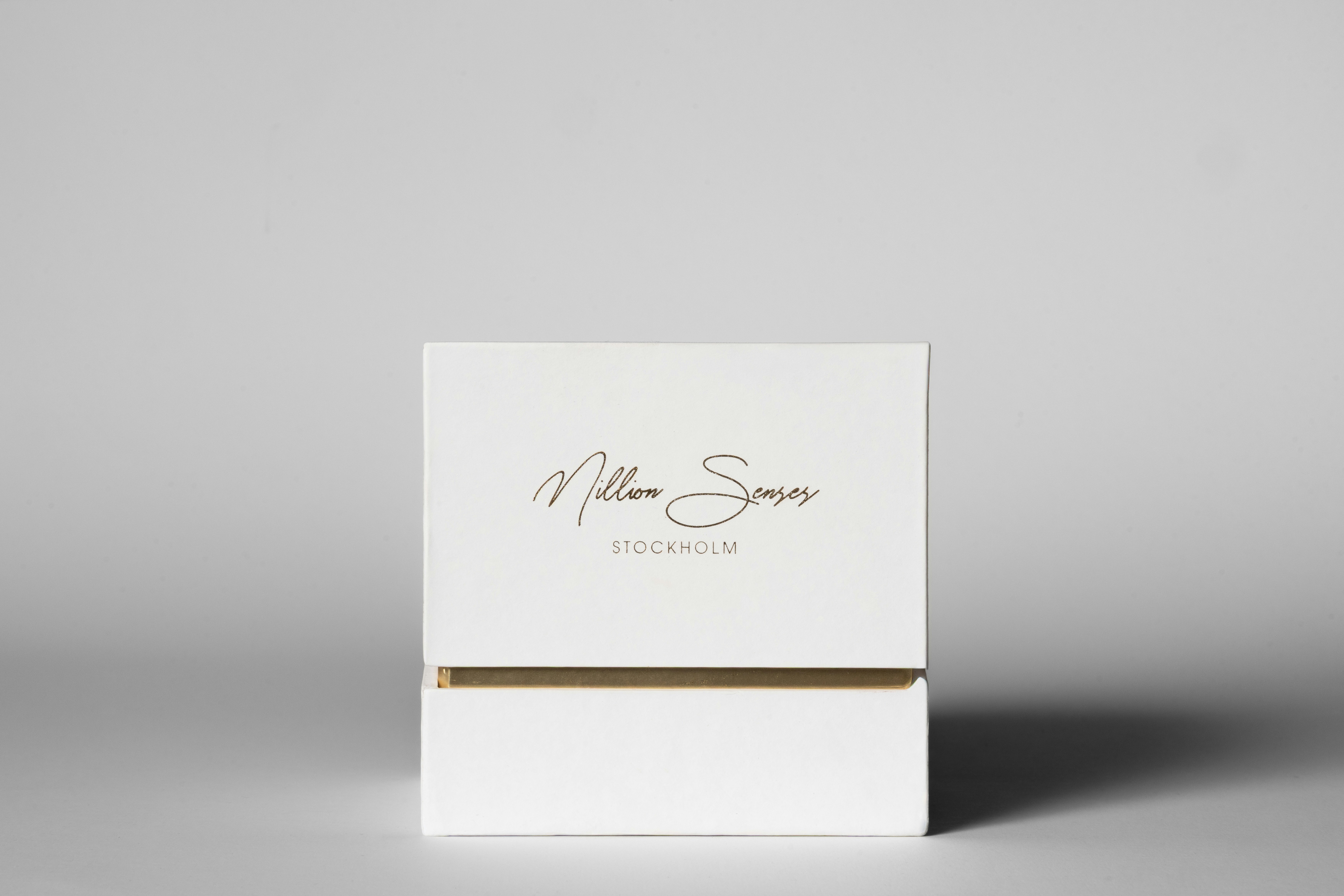
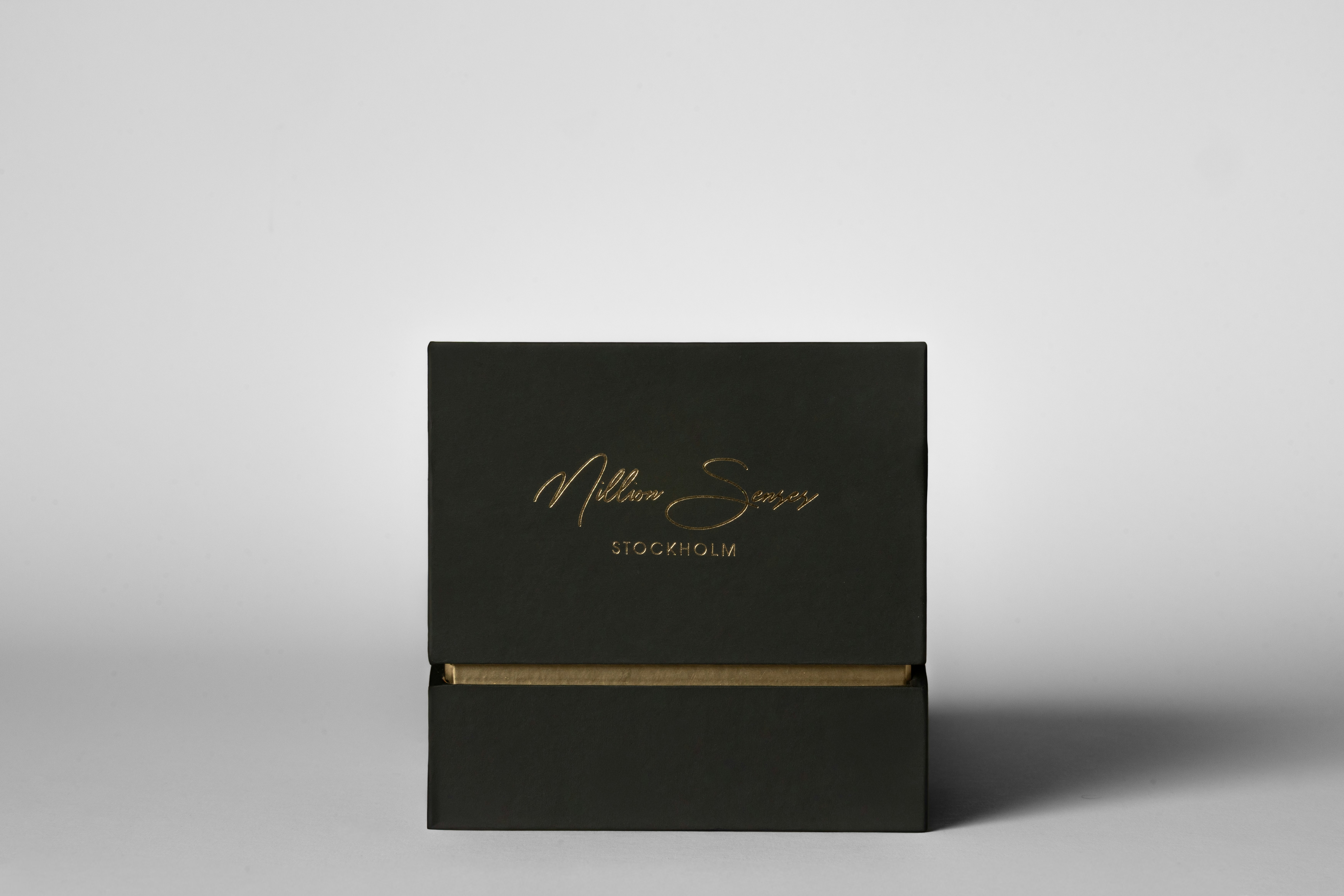
Packaging Printing: Materials and Finishes for Premium Brand Presentation

Building Brand Through Packaging

Packaging is the first physical interaction a customer has with your product. Quality materials and finishes communicate value before the product is even seen.

One Machine, Two Processes: Combined Hot Foil and Die-Cutting Reshapes Folding Carton Finishing

The finishing department has long been the bottleneck of folding carton production. Die-cutting and hot foil stamping typically run as sepa...