
Choosing the right binding method is one of the most important decisions in book production. Each method offers different benefits in terms of durability, cost, and aesthetic appeal.
Perfect binding is the most common method for paperback books. Pages are glued to the spine with a flexible adhesive, creating a flat spine that can be printed on. It works well for books with 40-300 pages and offers a professional look at an affordable price point.
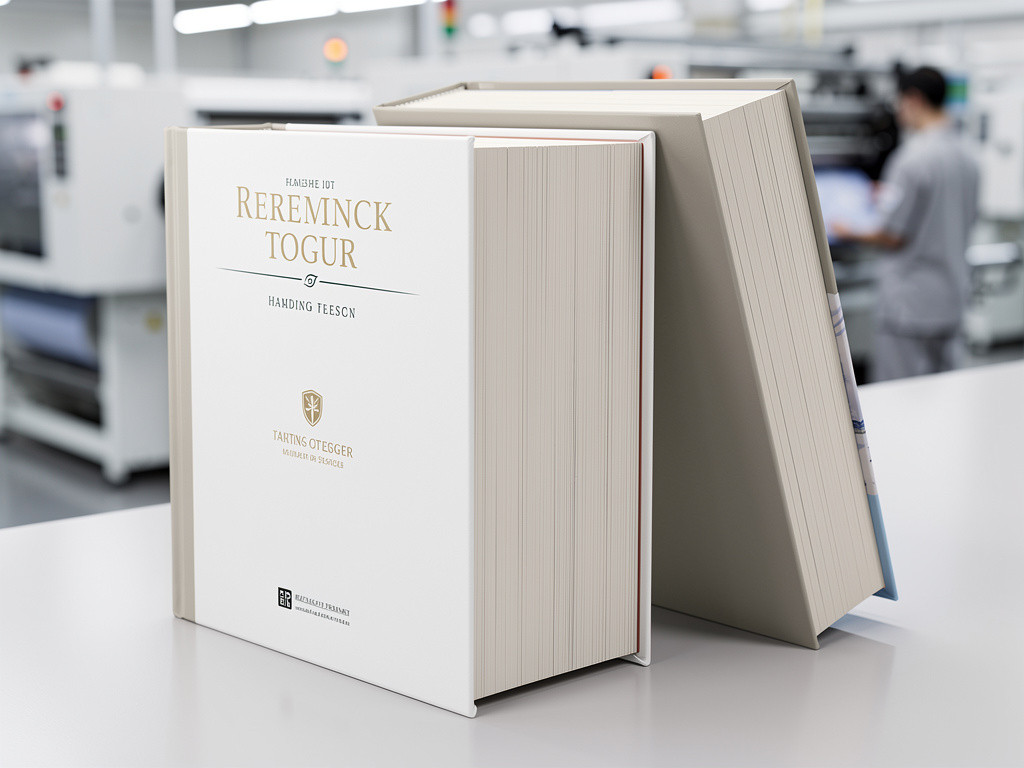
Case binding (hardcover) is the premium option. Signatures are sewn together, then glued to a hard cover made of cardboard wrapped in cloth or paper. A case-bound book can last for decades with proper care. The spine can be rounded or flat, and the cover can be customized with foil stamping, embossing, or dust jackets.
Saddle stitching is ideal for booklets under 40 pages. Staples are driven through the folded spine, creating a simple, cost-effective bind that opens flat. It's commonly used for brochures, catalogs, and children's activity books.
Spiral and wire-o binding allow books to lay completely flat when open. This is popular for cookbooks, manuals, and notebooks. The pages are punched with holes and held together by a metal or plastic coil.
The choice of binding affects not only the look and feel of the finished book but also its production cost and timeline. Self-publishers should consider their budget, page count, and desired presentation when making this decision.


.jpg)

No comments:
Post a Comment