Paper weight is measured in grams per square meter (GSM) and determines the thickness, stiffness, and opacity of the paper. Choosing the right GSM is crucial for both the functionality and feel of your printed product.
Lightweight papers (60-100 GSM) are typically used for newspapers, flyers, and text-heavy publications where economy is important. These papers have some show-through and feel thin to the touch. They fold easily but may not stand up to heavy handling.
Mid-weight papers (100-170 GSM) are the most versatile range. Most magazines, catalogs, and paperback book interiors use paper in this range. It offers good opacity with minimal show-through, and the paper feels substantial without being stiff.
Heavyweight papers (170-300 GSM) are used for covers, postcards, business cards, and presentation folders. These papers have excellent stiffness and opacity. They can be scored and folded but require creasing for a clean fold.
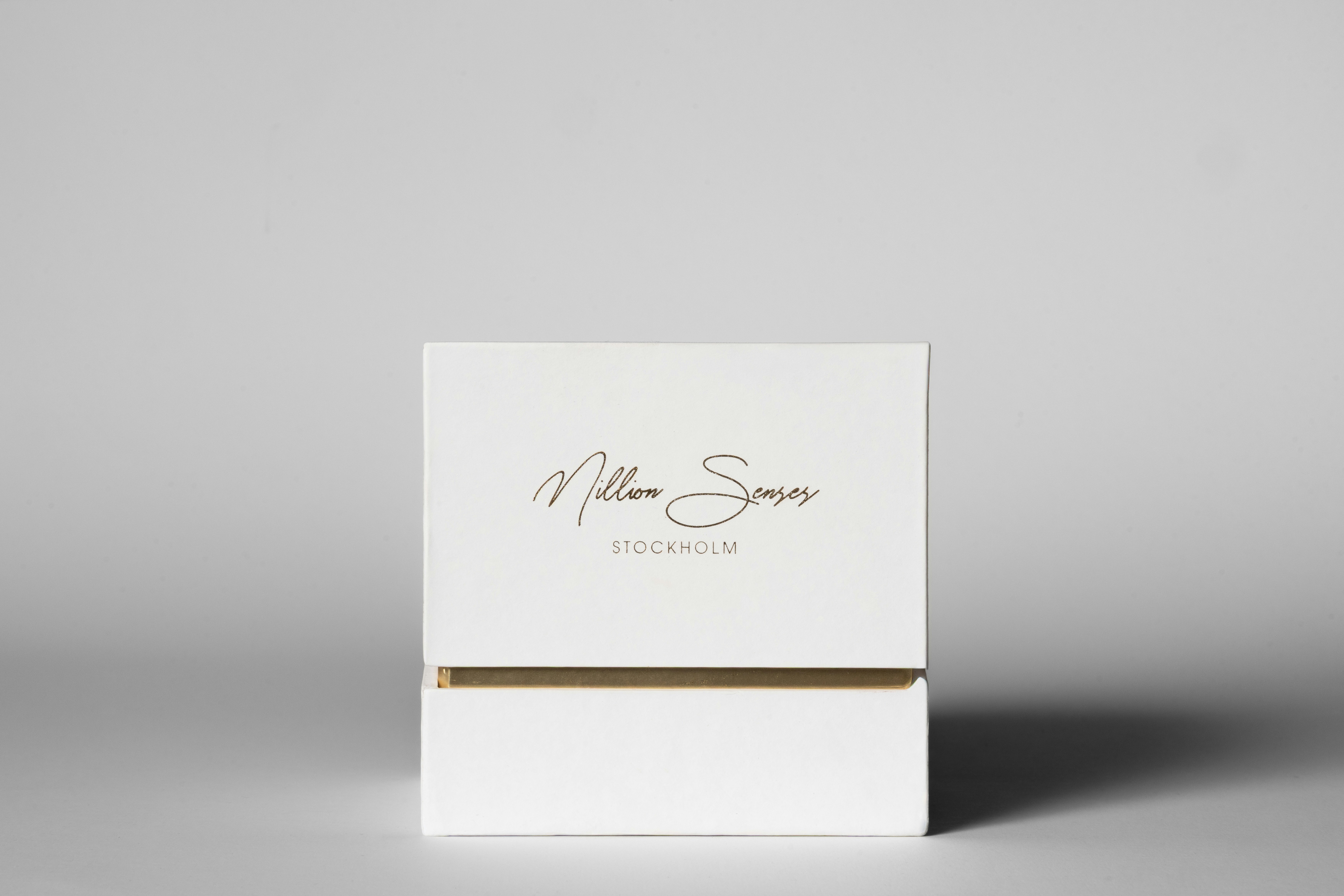
Premium cardstock (300+ GSM) is used for high-end business cards, luxury packaging, and rigid boxes. These materials have a solid, substantial feel. They require scoring before folding to prevent cracking.
Paper is also available in coated (gloss, silk, matte) and uncoated finishes. Coated paper holds ink on the surface for sharper images and brighter colors, while uncoated paper absorbs ink for a softer, more natural look.
When planning a print project, consider not just the weight but also the paper's brightness, opacity, and surface finish. Your printer can provide actual paper samples to help you make the right choice.


.jpg)

No comments:
Post a Comment