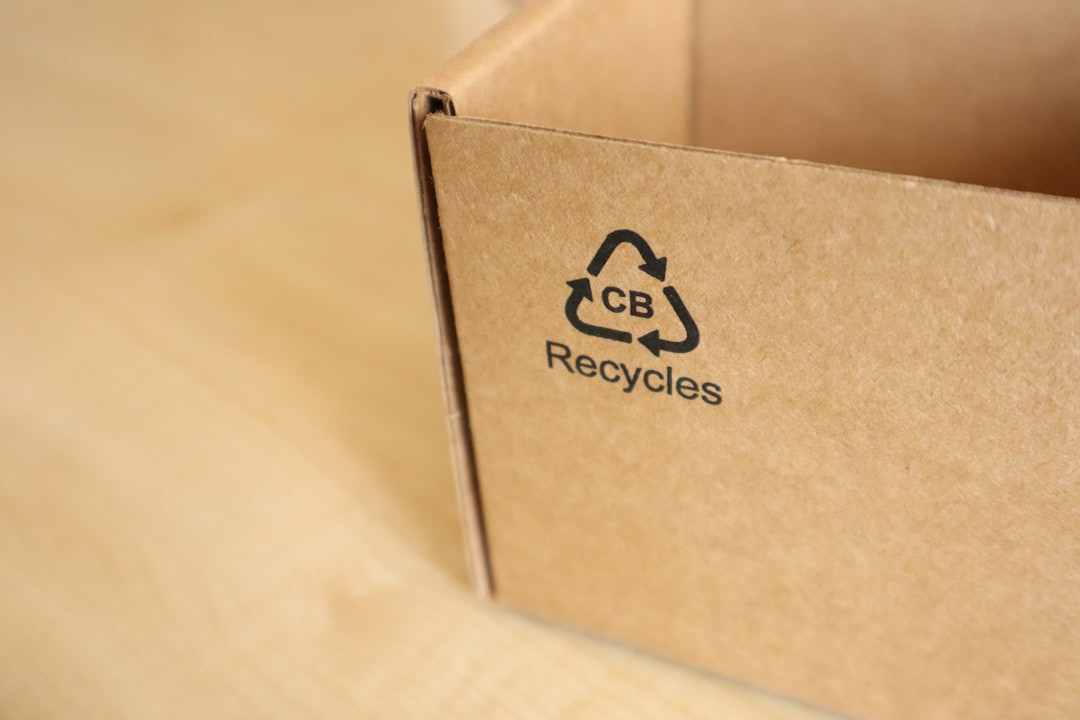
Corrugated board has long been the last analogue stronghold of packaging printing. Flexo presses running kilometer-long rolls have defined the economics of brown boxes for decades. That assumption is now under active revision, as a fresh round of industry analysis asks a pointed question: is flexo's share of corrugated output shrinking the way it did in shrink sleeves?
The Equipment Wave
The hardware story is unmistakable. EFI's Nozomi single-pass platform has been running production corrugated jobs for years, and HP has pushed its PageWide C550 single-pass post-print press as a cost-optimization tool for converters. Canon has announced the corrPRESS iB17, an inkjet press slated for 2027 that reproduces offset-like quality onto corrugated board at up to 8,111 square feet per hour, using water-based inks and a primer designed for indirect food contact. Agfa is supplying inkjet engines for BHS corrugated machinery, embedding digital heads directly into the OEM's line architecture.
Why the Tipping Point Is Near
Three forces are converging. First, e-commerce has turned the shipping box into a branded surface — the corrugated box is now the first physical impression a customer gets of a purchase, which changes what brands are willing to pay to print on it. Second, short-run and versioned packaging demand has exploded; single-pass inkjet removes plate costs that made small corrugated runs uneconomical on flexo. Third, the quality gap has closed: water-based inks with primer can now reach offset-class color on the flute itself, without a liner pre-print step.
What Still Holds Flexo in Place
The crossover is not complete. Flexo's cost per square meter at very high volumes remains structurally lower, and the installed base of flexo corrugated lines is enormous. Smithers frames the market as one where inkjet takes the short-run, high-value, versioned segment first — the jobs where digital's flexibility is worth a premium — while flexo keeps the commodity long runs. The forecast trajectory matters more than the current split: the global inkjet printing market is projected to approach $135 billion over the next five years, and corrugated is named among its fastest-growing applications.
What Buyers Should Watch
For brand owners and converters, the practical signal is about specification flexibility. Digital corrugated printing enables packaging tests without minimum-order plate commitments, regional versioning of the same SKU, and faster iteration on structural design. The production question is no longer whether inkjet can print corrugated board — it is how quickly the installed capacity and cost curve will make digital the default for short and medium runs of custom packaging boxes.
The corrugated segment is entering the same digital transition that labels completed a decade ago. The pace is the only open variable — and it appears to be accelerating.


.jpg)

No comments:
Post a Comment