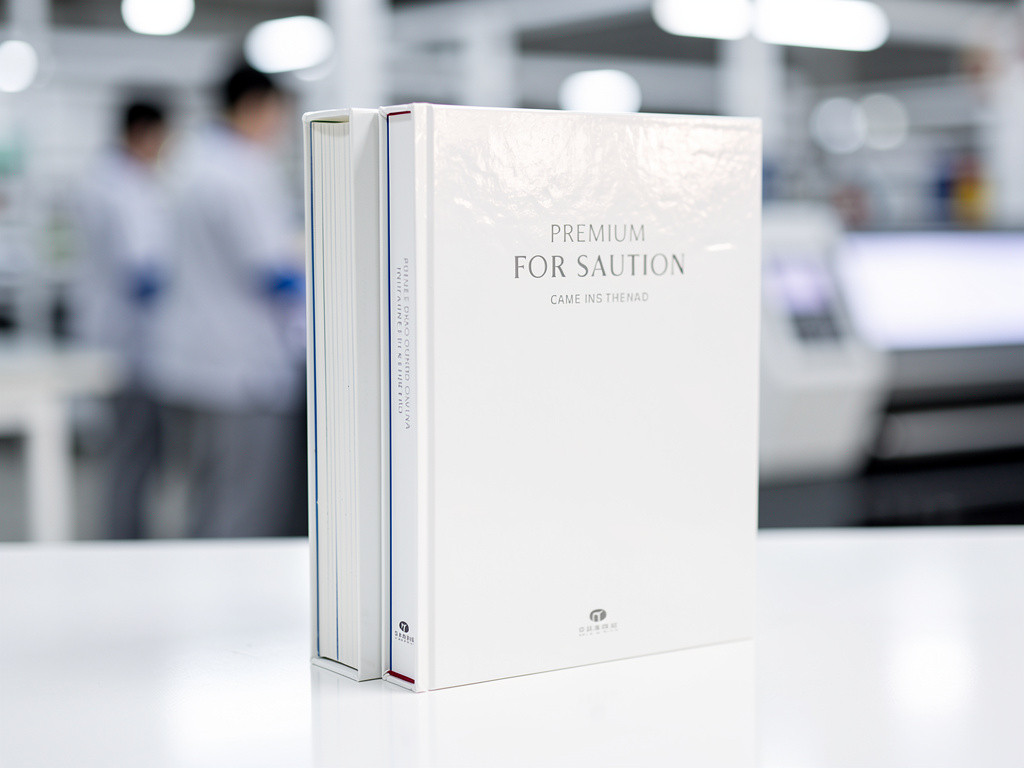
Finished printed products have been pulled out of the EU Deforestation Regulation's detailed due-diligence requirements, and the change is quietly rewriting the paperwork behind paper. An amendment approved by the European Parliament in December 2025 exempts most printed matter classified under Chapter 49 of the Combined Nomenclature — books, journals, newspapers, and magazines — from the EUDR's supply-chain documentation burden.
Why the Exemption Was Granted
The reasoning was practical: finished printed products present a limited direct risk of contributing to deforestation, and applying full due diligence to them would impose an unworkable regulatory burden on publishers and the book trade. The exemption recognises that the value of a printed book lies in its content, not in the fibre it is made of — and that forcing every title through commodity-level traceability would slow publishing without meaningful environmental gain.
What Stays in Scope
The carve-out is narrower than it first appears. Notebooks, notepads, stationery, wallpaper, and — critically — printed packaging, labels, and wrapping materials remain within the EUDR's scope. Material composition, not print content, determines applicability: a carton or label entering the EU as a standalone product still needs deforestation-free documentation for its wood-based materials. Converters producing packaging and labels cannot assume the exemption reaches their lines; only publishers of finished reading material benefit directly.
The Timeline
Application of the EUDR was postponed to give operators time to build compliance systems. Large and medium-sized operators must comply from 30 December 2026; small and micro enterprises gain an additional six months, until 30 June 2027. Products made entirely from 100 percent recycled material are exempt from the deforestation requirement, though traceability proof is still expected. The dates matter for print buyers planning paper and packaging procurement over the coming year.
What It Means for Book Printing
For book printing, the exemption removes a layer of administration from the publishing supply chain and lets paper sourcing decisions follow quality and cost signals rather than documentation constraints. Meanwhile, the packaging side of the industry continues to prepare for the same regulation from a different starting point. The two halves of print now face two different regulatory horizons — a useful reminder that 'sustainable print' is not one rulebook but several, each with its own deadlines.
As the EUDR's phased application approaches, which paper-based products will carry the heaviest compliance load — and how should packaging buyers prepare their supply chains for the December 2026 start?


.jpg)

No comments:
Post a Comment