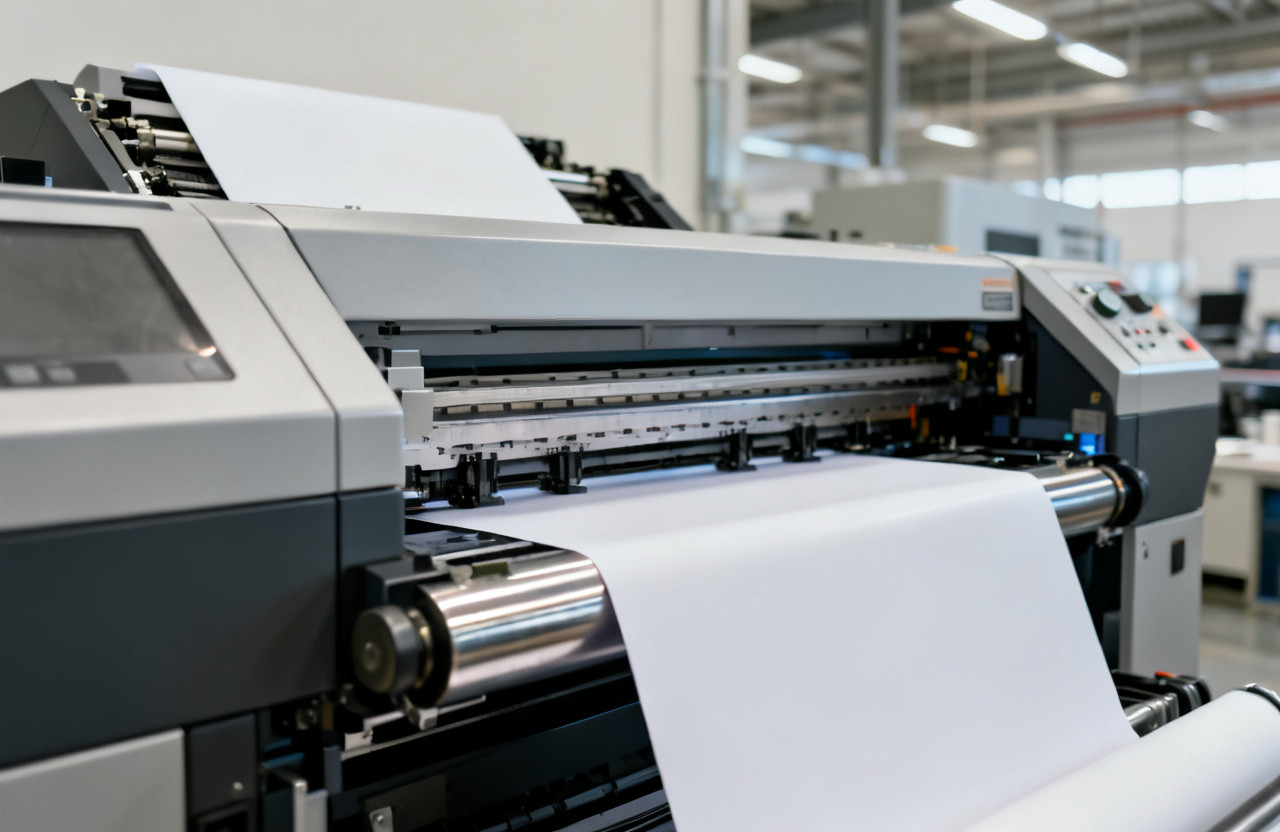
India's print industry counts roughly 250,000 companies, and a figure aired during a PrintWeek-HP knowledge session this week puts its scale in perspective: total print demand of USD 3.7bn, with business-to-business spending accounting for 96.3% of it. Digital press installations alone reached 2,700 in the year to 2026.
The session's central question was not whether digital will replace offset, but what new business digital can create. The distinction matters. Offset presses running months at unchanging Pantone shades remain unbeatable at volume. What has changed is the volume itself. Brands want shorter runs, faster turnarounds, versioning and late-stage personalisation, and that demand makes offset's plates, make-ready time and waste look like an expensive habit rather than an efficient one.
The 2,700 figure is the signal
Digital capacity is being installed at a pace that suggests the market is past the pilot stage. Sheetfed digital systems now sit next to offset lines in commercial plants, and the crossover point between the two technologies keeps moving as inkjet quality improves. For buyers, the practical effect is more competitive pricing on short runs and faster delivery windows.
What this means for book printing
The same pattern shows up in books. Reprints, test editions and self-published titles increasingly run on digital, while long frontlist runs stay on offset. Publishers who use sales data to trigger reorders tend to order smaller batches more often, which rewards printers who can hold consistent quality across frequent short runs.
The open question is how far the crossover moves. If digital presses keep improving speed and paper handling, the medium-run segment, the traditional heartland of offset, will keep narrowing. For print buyers, the takeaway is practical: choose the technology that fits the run length, not the technology that happens to fill the plant.


.jpg)

No comments:
Post a Comment