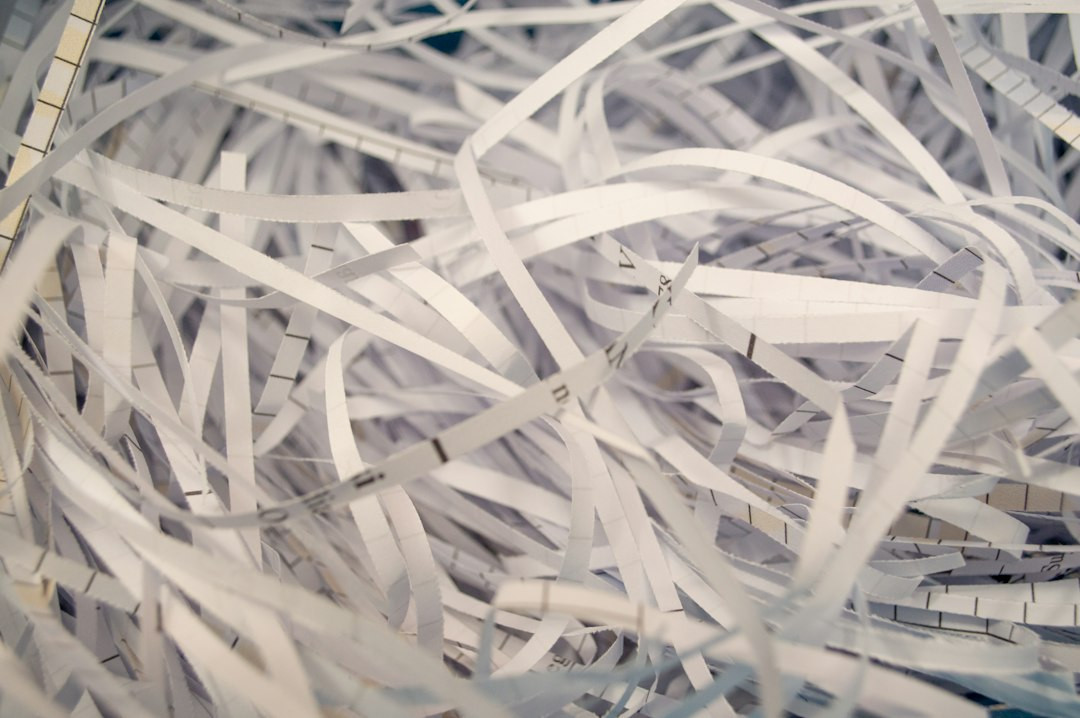
A used sheet of newspaper or a printed office page can be turned back into pulp. The process that removes ink from that pulp is called deinking, and it is the reason recycled fibre can be used for anything that has to look clean.
Why ink has to come off
Paper fibre can be reused several times, but the ink sitting on it does not disappear when the sheet is repulped. Left in the pulp, the ink breaks into fine particles that tint the new sheet grey or speckle it with dark flecks. For newsprint a little grey is tolerable. For a white carton or a printed book it is not, so the ink has to be separated from the fibre before the pulp is made into new paper.
The first step is repulping
Recycled paper arrives in bales. It goes into a pulper, a large tank of water with a rotating rotor, where the fibre is broken down into a slurry. Ink, coatings, staples and tape come loose here. The slurry then passes screens and cleaners that take out heavy items and coarse rubbish.
Flotation
The most common commercial method is flotation. Air is blown into the pulp and small bubbles rise through it. Ink particles are made water repellent with a collector chemical, so they attach to the bubbles and float to the top as a dark foam. The foam is skimmed off and the clean pulp stays below. Flotation works best on ink that was printed on coated or sized paper, where the ink sits on the surface.
Washing
Washing is the older route. The pulp is thinned and drained through a fine screen, and small ink particles are carried away with the water. It suits ink that has been broken into very fine particles, but it uses a lot of water and loses some fibre and filler along with the ink.
Stickies and the rest
Adhesives, hot melts and plastic films are the recycling mill's recurring problem. They form sticky lumps, called stickies, that can block screens and mark the new sheet. Mills use dispersion, fine screening and, in some cases, thermal treatment to deal with them. Printing that keeps adhesive away from the fibre, such as a water based glue on a paper label, is easier to recycle than a plastic film that has to be peeled off first.
What this means for print
Deinking sets a practical limit on what a print buyer can claim. Work with heavy ink coverage, varnish or a laminated film is harder to recycle than a plain uncoated sheet printed with normal ink. A design that keeps coatings to a minimum and avoids plastic windows and foil patches will come back as clean fibre more easily.
Fibre is not infinite. Every time it is repulped it gets shorter, and after a few cycles it is too short to make strong paper. Deinking buys those extra cycles. It is the step that lets a printed sheet have a second life instead of an ending. The reputation of book printing is built on advanced manufacturing facilities and strict quality control.


.jpg)

No comments:
Post a Comment