As thousands of young people recently received their exam results across the UK, most attention turned to university admissions. Yet a parallel conversation deserves equal weight: the career pathways available in modern manufacturing, specifically within the printing and packaging sector.
The Skills Gap in Print Manufacturing
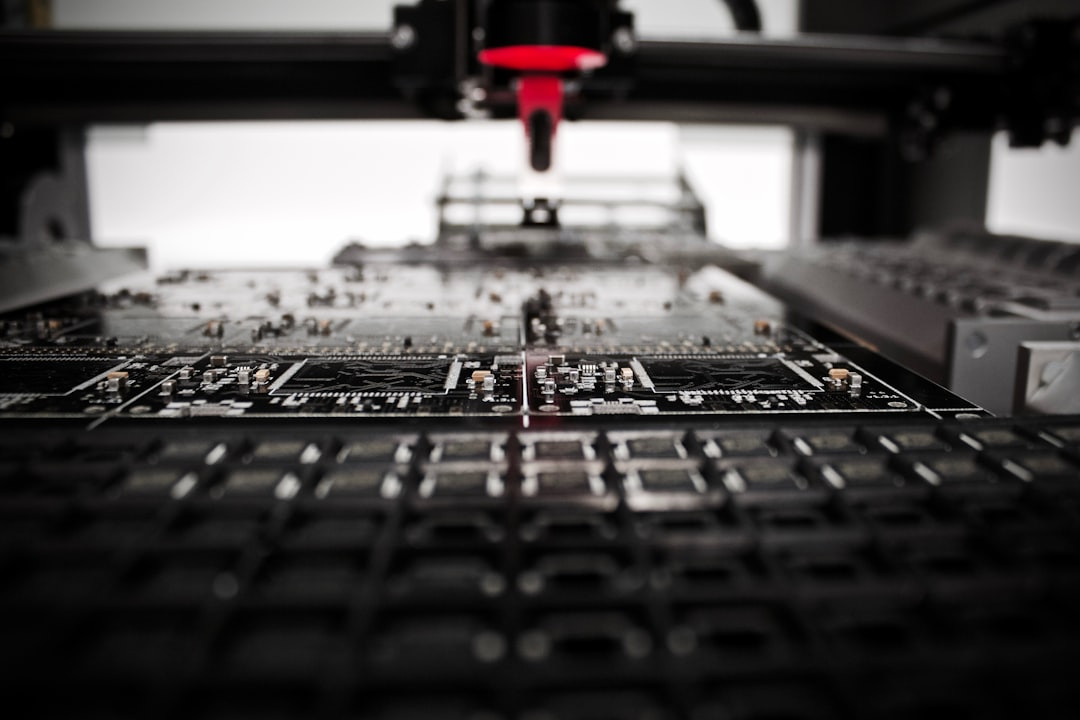
The printing industry has transformed into a technology-driven sector requiring expertise in color science, material engineering, digital workflow automation, and data integration. Press operators manage multi-million-dollar equipment with digital interfaces and automated color control. A prepress technician needs to understand PDF standards, color management profiles, and variable data scripting. These are technical careers with competitive salaries.
More than 40 percent of the current print production workforce is expected to retire within the next decade. The talent pipeline has not kept pace. Trade schools and apprenticeship models are under-enrolled relative to demand, creating a gap that raises costs and extends lead times.
What Modern Print Manufacturing Offers
A career in print manufacturing offers clear advantages. Apprentices earn while learning, graduating without student debt. Advancement paths are well-defined - prepress operator to production manager to plant manager - with each step requiring certification and experience. The work combines hands-on craftsmanship with technical problem-solving.
The packaging segment is especially active. With e-commerce growth and regulatory demands for sustainable materials, the technical requirements continue to increase, creating upward wage pressure for skilled workers.
Bridging the Perception Gap
Manufacturing is still viewed by many as a declining sector, when in reality, print facilities run on ERP systems and cloud-connected presses. Changing that image requires the industry to tell its story through plant tours, school partnerships, and apprenticeship marketing that emphasizes the technology stack.
For an 18-year-old deciding between university and a technical path, print manufacturing warrants serious consideration. The work is stable, the technology is engaging, and demand for skilled operators shows no sign of slowing.


.jpg)

No comments:
Post a Comment