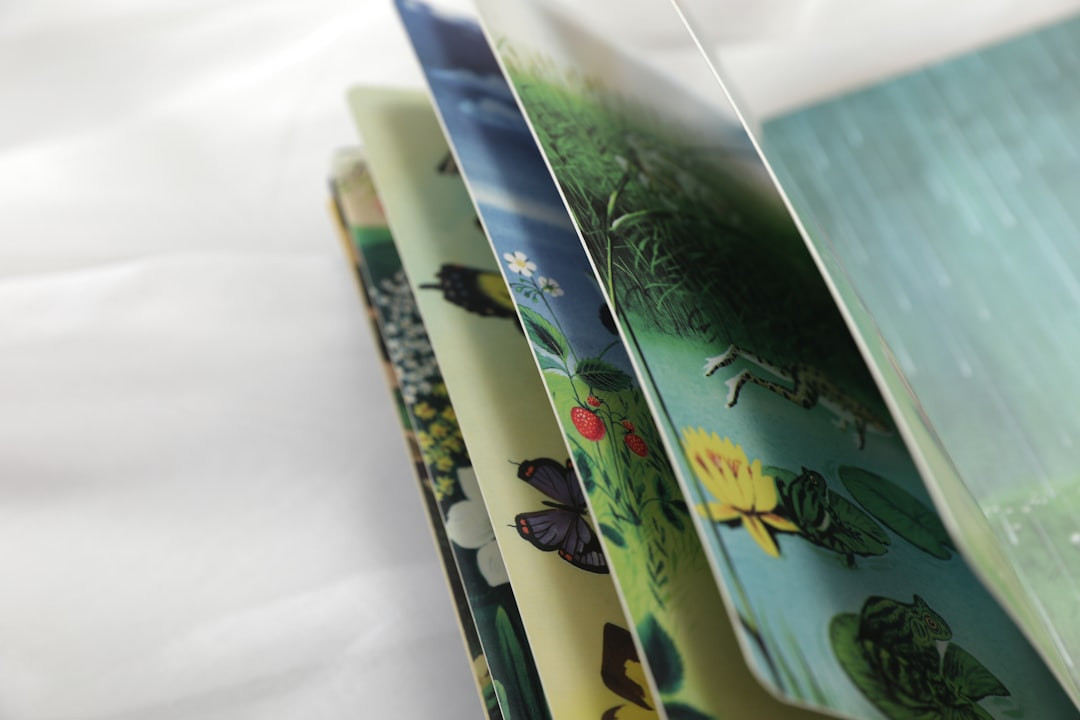
Board books are a unique category in children's publishing. Unlike standard paper pages, board books use thick, laminated cardboard pages designed to withstand chewing, dropping, and repeated turning by young readers. Manufacturing these books requires specific materials and processes.
The board stock used in these books is typically 1mm to 2mm thick, made from high-density paperboard. Each page gets a coating or lamination to resist moisture and tearing. Because toddlers explore with their mouths, all materials must comply with safety regulations. Non-toxic inks, adhesives, and finishes are mandatory for children under three years old.
Page count in board books is usually limited to 10 to 24 pages. Beyond that, the spine becomes too thick for small hands to open comfortably. Die-cut shapes, rounded corners, and interactive elements like flaps or textures add play value but increase production complexity.
Printing on board stock uses offset presses with UV-curable inks. These inks dry instantly under ultraviolet light, preventing smudging on non-absorbent surfaces. The printing process must account for the thickness and rigidity of the material, which affects how sheets feed through the press.
Binding board books is different from standard bookbinding. The pages are not sewn or stapled. Instead, printed sheets are mounted onto board, then laminated before being case-bound into a hardcover shell. Some board books use a board-on-board construction where each spread is a single thick panel, hinged at the spine with reinforced cloth or paper.
Quality testing includes page pull tests to ensure adhesives hold, bite tests to check coating integrity, and drop tests to verify that the spine does not crack. These tests simulate real use by small children.
For self-publishers and small presses looking to produce a board book, minimum run quantities matter. Most board book manufacturers require minimum orders of 500 to 1000 copies due to the specialized equipment setup. Digital board book printing is becoming available but remains limited compared to standard paper book printing.
Board books represent a growing segment in children's publishing. Parents continue to seek durable, safe, and visually engaging books for early development, and the production methods behind them continue to improve.


.jpg)

No comments:
Post a Comment