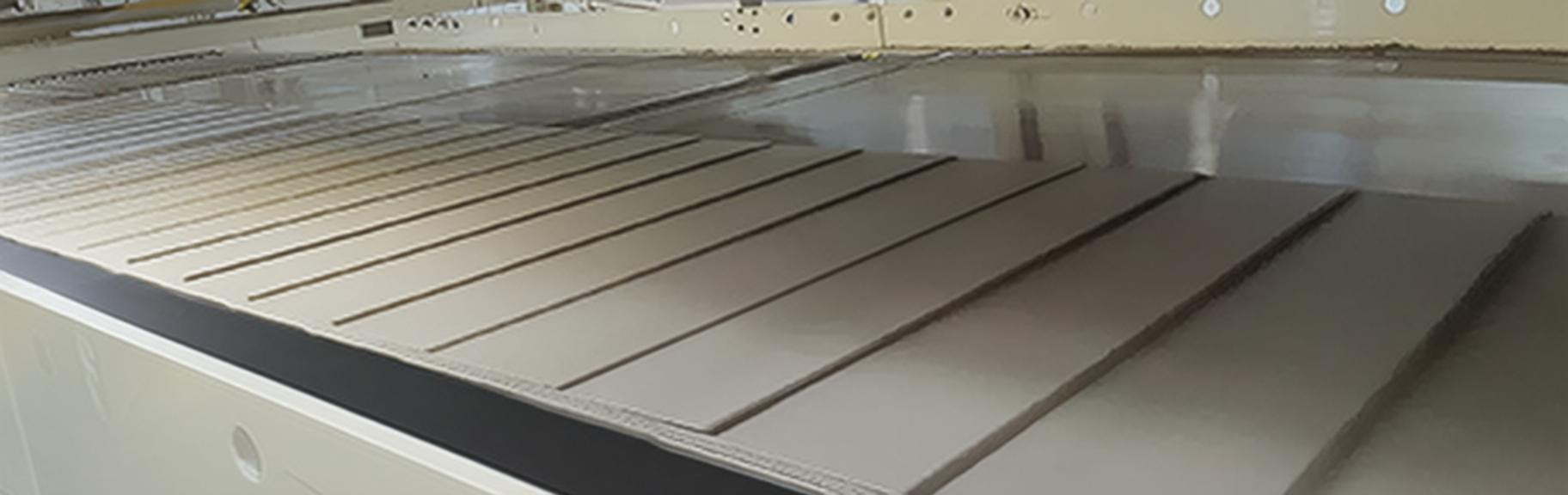
Corrugated 2026, held alongside FESPA Global Print Expo in Barcelona in May, laid out the pressures facing the sector: a crowded market, tighter margins, stricter regulation, and a shrinking pool of skilled workers. Any one of those would demand a response. Together they are forcing converters to rethink how production is planned.
The capacity problem
Capacity built during the 2020-2021 e-commerce surge now exceeds demand. Christian Vionnet, product marketing director at BOBST, framed it as a structural imbalance: utilization rates and margins are squeezed, and future competitiveness depends less on plant size than on the ability to adapt. The four capabilities he named, integration, agility, automation, and precision, point away from scale and toward responsiveness.
Digitalization pays in small steps
The event's digitalization session showed where the savings come from. Inspection systems can now check 100 percent of boxes produced, cutting waste and customer complaints. New-generation die-cutters reduce energy per unit by roughly 12 percent. Sequential order change technology saves about two minutes per setup, which translates into roughly 3 percent more machine availability over a year. None of these are headline numbers, but they compound across a plant that runs three shifts.
Robotics and the labor question
The industry is short of skilled labor, and the gap widens as experienced operators retire. Robotics in corrugated production, from palletizing to load formation, addresses the shortage directly while removing the most repetitive manual tasks. The BOBST keynote described the end state as connected operations, where machine data, best practices, and predictive insights move across entire plants instead of staying locked in one control screen.
What this means for packaging buyers
For brands buying corrugated packaging, the visible effect is reliability. Plants with connected production hold consistent quality across repeat orders, respond faster to spec changes, and keep up with lightweighting targets set by regulations such as PPWR. The direction is clear: the competitive edge in corrugated packaging now comes from how a plant runs, not from how big it is.
Which part of corrugated production should be automated first, the finishing line or the material flow?


.jpg)

No comments:
Post a Comment