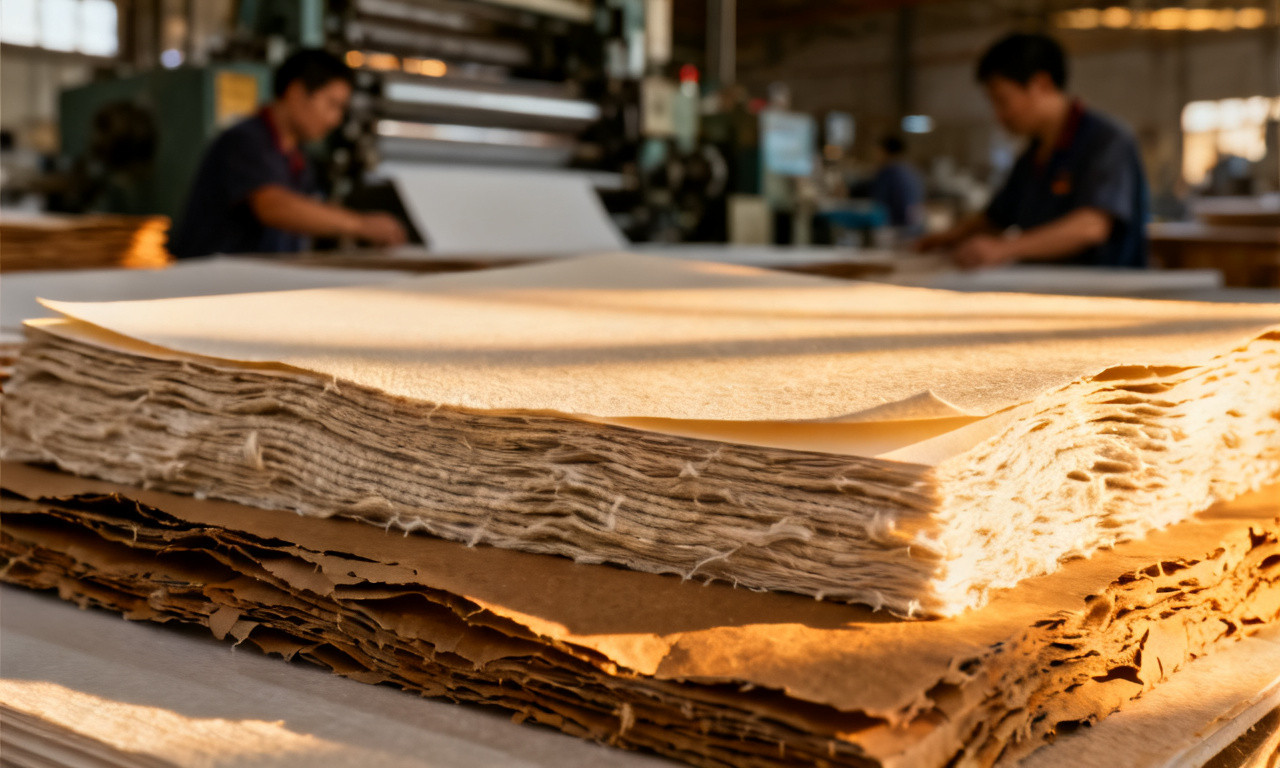
Grams per square metre sounds like a simple number. It is the mass of one square metre of a paper, and it is often the first figure on a spec sheet. What it does not tell you is how thick the sheet is, how stiff it feels, or how it will take ink. Those come from other measurements.
What GSM measures
GSM is grammage, the weight of a sheet normalised to one square metre. A 100 gsm paper weighs 100 grams per square metre, and a 300 gsm board weighs three times that for the same area. Because it is weight per area, GSM lets you compare different sheet sizes and different formats on the same scale. It is the number a merchant uses to price stock and the number a press operator uses to set a sheet through the feeder.
Why weight is not thickness
A sheet can be heavy and thin, or light and bulky. Caliper is the physical thickness, usually quoted in microns or in thousandths of an inch, and bulk describes how much thickness a paper delivers per unit of weight. A dense, heavily calendered sheet packs more fibre into less space, so two papers of the same GSM can differ in caliper by a noticeable margin. That is why a book printer chasing a certain spine width has to look at caliper, not weight alone.
Where the common bands sit
Text and book interior papers are generally light, often between about 70 and 120 gsm, because a reader turns many pages and a heavy sheet makes a fat, costly book. Covers, cards and packaging climb into the 200 to 400 gsm range, where stiffness matters more than page count. Above that you are into boards and carton stock, which behave differently again on a folding and cutting line.
How to use the number
Pick a GSM for the job it has to do. A letterhead wants a sheet that takes a signature and runs through an office printer. A business card wants enough stiffness to feel like a card in the hand. A book interior wants a sheet opaque enough to stop show-through and light enough to keep the spine manageable. The GSM gives a starting point, then caliper, opacity and surface finish decide the rest.
Why it belongs in a brief
Writing the GSM into the spec keeps the mill, the press and the bindery working from the same figure. It also stops the quiet substitution of a lighter stock, which changes the feel and the thickness of the finished piece. Weight per square metre is not the whole story, but it is the first line of it. From commercial projects to specialized publications, book printing plays a vital role in modern print production.


.jpg)

No comments:
Post a Comment