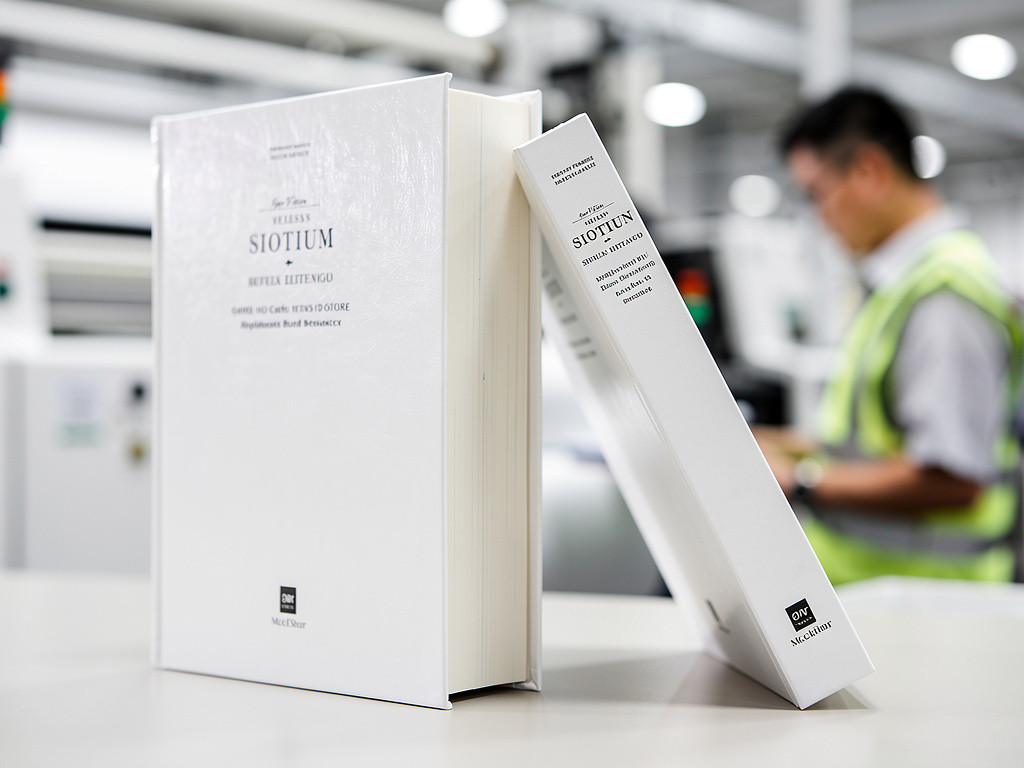
Two copies of the same book, printed a century apart, can look decades different on the shelf. One keeps its paper white and its pages flexible, the other has gone yellow and brittle at the edges. The difference is chemistry, and it starts with the pulp.
Lignin is the problem
Wood is held together by lignin, the woody binder around the cellulose fibres. Chemical pulping, the kraft process used for most book and office paper, dissolves most of that lignin away and leaves long, strong cellulose fibres. Mechanical pulping, used for newsprint and cheap groundwood, keeps much more of the lignin because it grinds the wood rather than cooking it. Lignin is not stable. Over years it oxidises, and the paper yellows and loses strength. Newsprint is the familiar example: it turns brown within days in sunlight and embrittles far sooner than a book page.
Acid is the other problem
Older papers were sized with alum and rosin, and that sizing left the sheet slightly acidic. Acid attacks cellulose, breaking the long molecules that give paper its strength. Storage in warm, humid, or polluted air speeds the reaction. That is why some books from the early twentieth century are in worse condition than books printed two hundred years earlier, when paper was made from rags and finished with an alkaline wash.
What modern permanent paper does
Permanent and archival papers are made from purified pulp with a low lignin content and sized in a neutral or alkaline system. The sheet carries an alkaline reserve, usually calcium carbonate, that neutralises the acids it meets later from the air or from ink. Standards such as ISO 9706 set a pH range in the alkaline zone and require that reserve, so a sheet can stay stable for a long time rather than merely starting clean.
Why it matters beyond archives
Most commercial print does not need to last a hundred years. A brochure, a poster, a catalogue each have a working life measured in months or a few years, and any reasonable stock will outlast that. Archival paper matters for the jobs that are meant to be kept: family history books, art books, certificates, records, and anything a library will hold. For those, the paper is as much a part of the product as the printing.
What to ask for
When a job has to last, ask for an acid-free, low-lignin sheet with an alkaline reserve, and check that the cover and the endpapers match. The printer can name the stock and the standard it meets. Paper that is meant to age well is specified, not assumed.


.jpg)

No comments:
Post a Comment