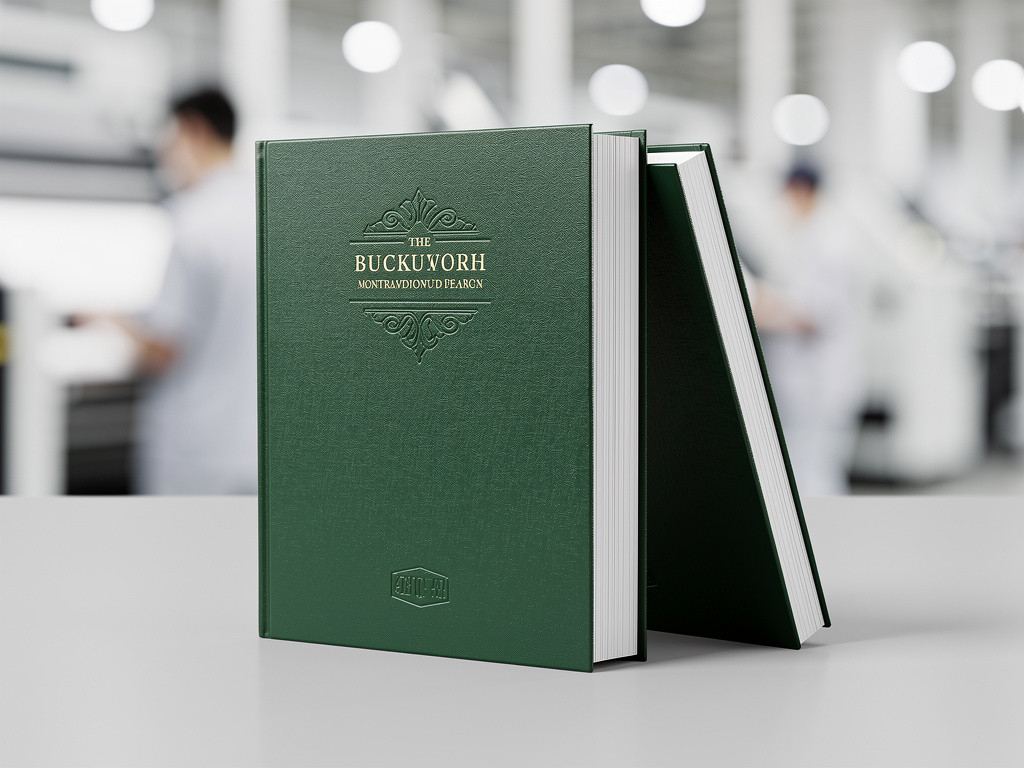
Choosing the right binding method directly affects a book's durability, cost, and reader experience.
Sewn binding, also called Smyth-sewn, stitches each signature through the fold with thread before attaching the cover. A sewn hardcover lies flat when open, holds up to repeated reading, and typically lasts decades without page separation. Glue binding, or perfect binding, uses polyurethane adhesive to hold the page block together inside a paper cover or hard case.
Most paperback books use glue binding. It costs less and works well for novels, reports, and short-run projects under 200 pages. But glue joints weaken over time, especially in humid conditions. Thick glue-bound books over 400 pages tend to crack at the spine after a few opens.
Sewn binding adds about 30 percent to the unit cost, mainly from the extra stitching step. The trade-off matters most for cookbooks, reference titles, children's books, and premium editions that owners keep and use for years.
Some printers offer reinforced glue binding with notched spines or lined backings to improve pull strength. These hybrid methods work for mid-range projects where full sewn binding is too expensive but basic glue feels too fragile.
For self-publishers weighing long print runs, the binding choice also affects shipping weight and shelf profile. Sewn books sit flatter and resist spine roll, which matters for bookstore displays.
Ask your printer about page count, grain direction, and cover construction before deciding. A book that stays intact through a decade of use earns more reader trust than one that falls apart after three reads.


.jpg)

No comments:
Post a Comment