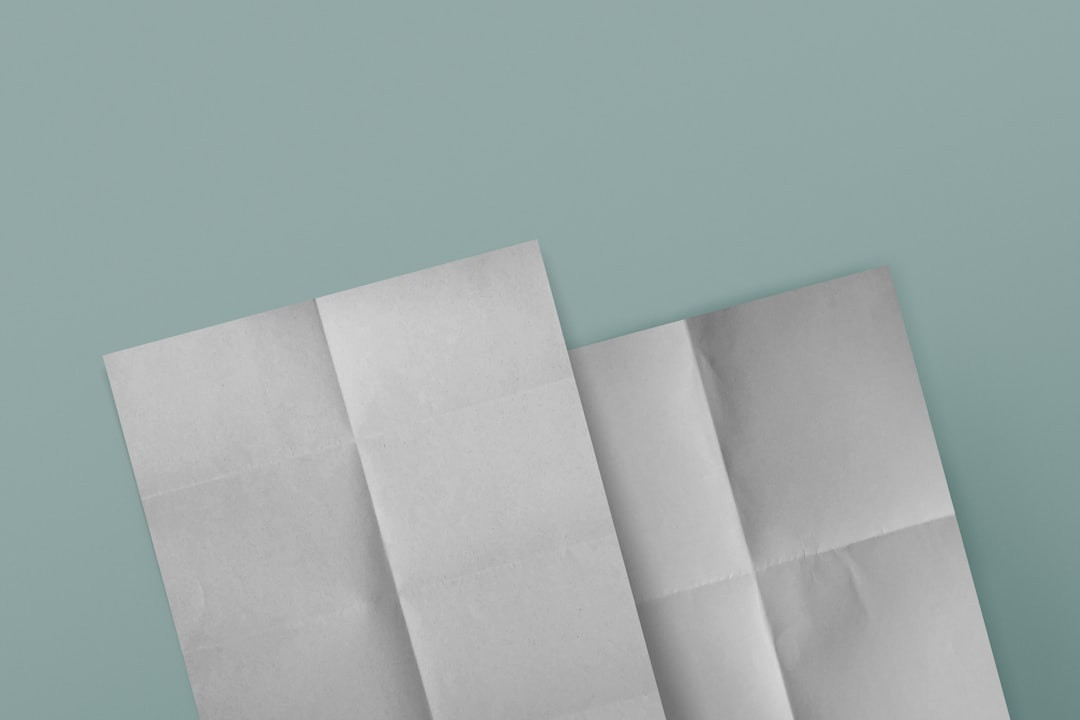
Buckle folders and knife folders put the same fold into a sheet in different ways, and the difference shows up as speed, accuracy and the range of paper each machine can handle. Knowing which one produces a job matters most at the extremes: very thin stock, very thick stock, and unusual fold patterns.
How a buckle folder works
A buckle folder feeds the sheet forward until its lead edge hits a stop inside a pocket. The sheet buckles at the stop and is pushed between two rollers that press the fold flat. Because several pockets sit side by side, one pass can produce parallel folds such as letter folds, gate folds and accordion folds. Buckle folding is fast, which is why it dominates commercial work.
How a knife folder works
A knife folder drops a blunt blade onto the sheet at the fold line and drives the paper between two rotating rollers. The blade sets the position, so the fold lands where the blade hits rather than where the paper chooses to stop. Knife folders handle thick, stiff or heavily coated sheets more reliably, because stiff paper resists buckling cleanly into a pocket. They run slower and usually make one fold per station.
Where each wins
High-volume parallel patterns run fastest on a buckle machine. Heavy covers, laminated sheets and stocks that crack easily are safer on a knife folder, which pushes the fold from above and avoids the sharp bend a buckle pocket forces on thick paper. Most finishing departments keep both and route each job to the machine that suits the stock.
Cracking and scoring
Every fold compresses the outside of the sheet and stretches the inside. On coated or heavy paper the coating can crack along the fold line. Scoring, a crease pressed into the sheet before folding, creates a defined hinge that keeps the surface intact. Grain direction matters too: folding with the paper grain follows the fiber, while folding across it invites breaks. When a job keeps cracking, the usual fix is a score, a change of fold direction, or a move from buckle to knife folding. A short test on the real paper still beats any estimate, because stiffness and coating vary more between stocks than spec sheets suggest.


.jpg)

No comments:
Post a Comment