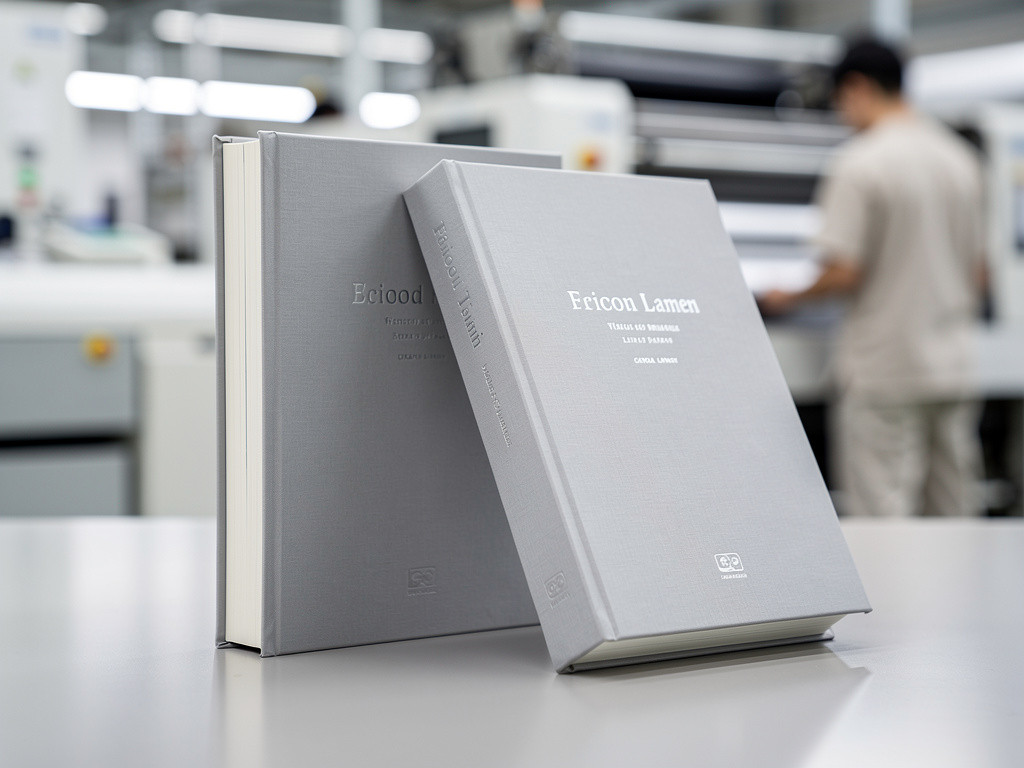
Color separation is a crucial step in producing high-quality printed materials. Whether you are working on commercial projects or professional book printing, understanding common issues can save time, reduce costs, and ensure accurate color reproduction.
In offset printing, arranging multiple pages or jobs on a large sheet—known as imposition—is essential for improving efficiency and reducing production costs. Understanding how different imposition methods work is particularly useful for professional book printing (more here: book printing).
There are three common methods for double-sided imposition: Work & Turn, Work & Tumble, and Work & Back. The key difference is how the sheet is handled after printing the first side.
In offset printing, even a seemingly clean plate can develop small, irregular dirty spots after baking. These defects often remain invisible until the plate is mounted on the press, which can affect print quality and waste materials. Understanding the main causes and applying proper solutions can help maintain consistent results.
In the world of printing in China understanding key prepress and color concepts is essential for achieving high-quality, accurate results. Even small mistakes can lead to color shifts, misaligned text, or blurry graphics. Here’s a breakdown of four important printing terms you should know:
1. Knockout
When blue text is printed on a yellow background, the yellow area beneath must be knocked out — left blank on the yellow plate.
This ensures the blue ink prints directly on white paper, preserving its true color.
If the yellow is not knocked out, the blue may mix with yellow and appear greenish, which is a common issue in book printingand other full-color projects.
2. Overprint
When black text appears on a red background, you should not knock out the red beneath.
Black ink effectively covers other colors, and overprinting prevents white edges or halos that may appear due to slight misalignment during printing.
3. Rich Black (Four-Color Black)
Always check that small black text prints only on the black (K) plate.
If black text appears across cyan, magenta, and yellow as well, it becomes four-color black, which can make fine text look fuzzy or muddy.
Use 100% K for body text and reserve four-color black for large, solid areas that need depth and visual impact.
4. RGB Images
Sending RGB images directly to print can lead to dull or inaccurate colors because automatic RGB-to-CMYK conversion may shift tones and reduce saturation.
For best results, convert your images manually in Photoshop (or another color-managed tool), adjust the colors, and proof carefully before printing.
This is particularly important for projects like book printing where color consistency is critical.
Final Thoughts
By mastering these basics — Knockout, Overprint, Four-color Black, and RGB conversion — you can avoid common printing mistakes and achieve crisp, professional-quality results every time.
For more printing insights and reliable printing in China solutions, visit zxcprint.com.
In offset printing, imposition refers to the process of arranging pages or artwork files on a printing sheet in the most efficient way possible. Proper imposition ensures accurate folding, minimal paper waste, and reduced production time — key elements for achieving both quality and cost-effectiveness.
There are four main types of imposition used in modern printing: Single-Sided, Sheet-Wise (Self-Turning), Work-and-Turn, and Work-and-Tumble. Each offers unique advantages depending on the product type, press setup, and finishing requirements.
When preparing a layout for printing, particularly in traditional plate-making processes, there are two main factors that can significantly affect both efficiency and final print quality.
1. Content Adjustment and Consolidation
It is crucial to adjust or consolidate your content to fit neatly within the layout, minimizing gaps between different sections. This approach not only reduces material costs but also lowers the amount of plate material required during the plate-making process. However, make sure that the different sections can still be easily separated during cutting. For instance, when working with book printing, proper content consolidation ensures smoother production and consistent quality across all pages.
2. Print Plate Expansion Considerations
Although the print plate does not shrink or expand during the plate-making process, it stretches slightly once mounted on the printing cylinder along the cylinder's circumference. To prevent distortion of the printed image, it is important to consider the paper feed direction and calculate the expansion rate of the print plate.
The expansion rate can be calculated using the following formula:
Typically, the expansion rate is around 98%. Multiply your design's dimensions by this rate to ensure the final printed image matches the original design. For more insights on professional printing solutions, visit printing in China.
By focusing on both content adjustment and print plate expansion, you can optimize your layout for cost efficiency and high-quality output, ensuring that your designs translate perfectly from concept to printed product.
Improving the durability of CTP plates is one of the most effective ways to reduce production costs, minimize material waste, shorten turnaround time, and boost overall printing efficiency.
In modern offset printing, CTP (Computer to Plate) technology has largely replaced traditional PS plates. However, ensuring plate longevity still depends on process control and careful handling. Here are twelve proven ways to make your plates last longer.