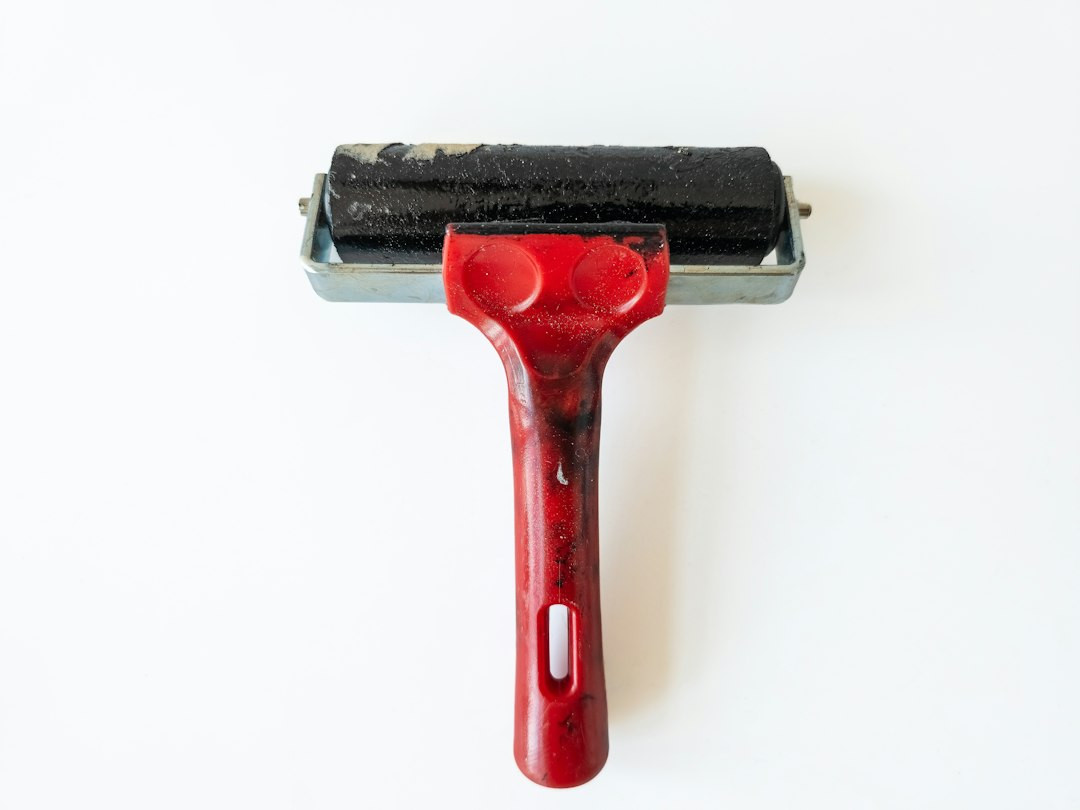
On an offset plate, ink belongs on the image and water keeps the rest clean. Scumming is the loss of that division: a thin tint of ink creeps onto the area that should print nothing at all.
Two surfaces on one plate
A litho plate carries two kinds of surface side by side. The image area is oleophilic, so it takes ink and turns water away. The non-image area is the opposite. It holds a film of fountain solution and refuses ink. The press keeps the two apart by feeding water and ink at the same time and by the small chemical difference between them.
How the division breaks
Scumming begins when the non-image area stops holding its water film. In practice the causes are ordinary. Water may run too low for the ink being carried. The ink may be too soft or too heavy, so it spreads past the image. A worn plate, a glazed roller or a press that sat idle with dried fountain solution all damage the hydrophilic surface.
Where it shows up
The tint does not always arrive at once. Sometimes it starts at the edge of the plate, where water is hardest to hold. Sometimes it follows the gaps between images and grows inwards. A plate left standing can scum overnight and print a grey wash on the first sheets of the next shift.
What the sheet shows
On paper, scumming looks like a flat tint over an area that should be white, and it often prints stronger at one side of the sheet than the other. Because the tint sits in the non-image area, it appears in the gaps between pages as well. That is the easiest way to tell it apart from a dirty blanket or a roller mark.
Holding the balance
The fix is usually in the chemistry and the settings, not in the plate. Fountain solution is checked for pH and conductivity and mixed to the maker's figure. Water feed is raised to the least amount that keeps the plate clean, and ink is kept to the film the image needs. Rollers are checked for glaze and reset to the right pressure. A plate that has already scummed is normally replaced, because the surface rarely comes back.
A narrow window
Lithography works because oil and water do not mix, and scumming is what happens when that narrow arrangement slips. Watching the plate, the water and the ink together is what keeps the non-image area empty. From commercial projects to specialized publications, book printing plays a vital role in modern print production.


.jpg)

No comments:
Post a Comment