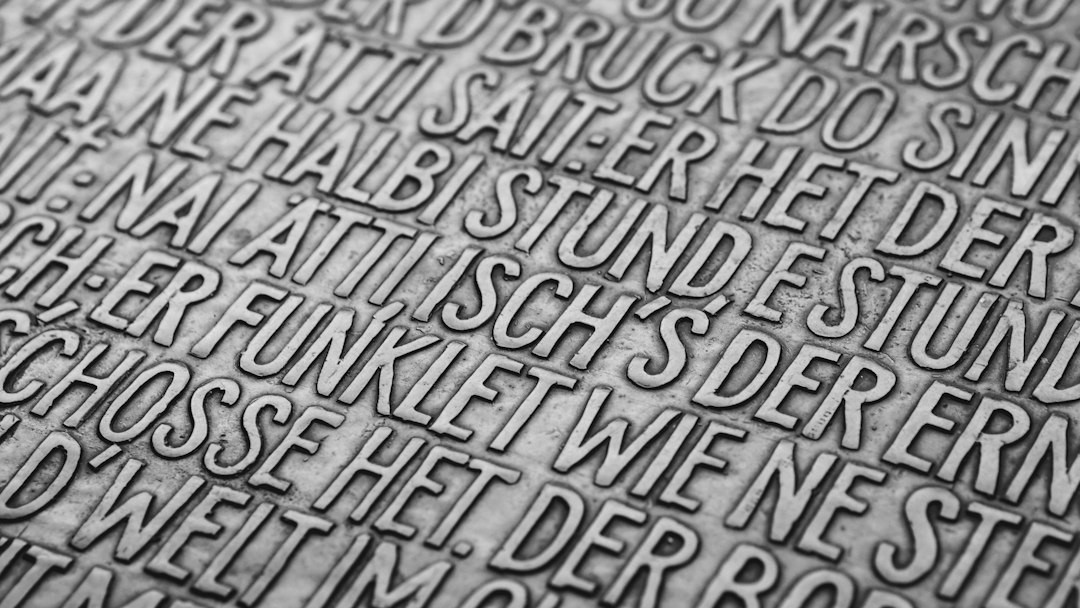
An embossed area stands above the sheet. A debossed area sits below it. Both are made without ink, by pressing the paper between a matched pair of dies, and both give a surface the reader can feel as well as see. They show up on covers, cartons, certificates and cards.
How the pair works
An emboss uses a male die that carries the raised shape and a female die, often called the counter, that matches it. The two are mounted in a press and the sheet is squeezed between them, hot or cold. The fibre of the paper stretches and sets into the shape. The result is a permanent relief rather than a coating, so it cannot rub off.
Blind, registered or combined
A blind emboss uses no ink, so the shape reads through light and shadow alone. A registered emboss lines the relief up with a printed image underneath, so the printed area itself rises. A combination emboss prints and raises in one pass, with foil or ink carried on the die. Each adds a step, and each depends on the registration of the step below it.
Paper decides the depth
The depth of the relief is limited by the stock. A long, soft fibre stretches and holds a deeper shape. A stiff coated board can crack along the edge of a deep emboss, and a heavy coating may craze. Designers keep the shape bold and the area generous, because fine lines and tight corners are the first to fail.
The die and the counter
A brass or magnesium die holds the detail, and the counter is formed in place by pressing the die into a hard material under heat and pressure. That step sets the fit between the two halves. If the counter is off, the paper is squeezed unevenly. Too tight and the sheet tears or the coating splits, too loose and the shape never forms.
Where it earns its cost
Embossing is a separate pass with its own die, so it suits a cover, a box lid or a limited run where touch is part of the value. On a plain text block it adds little. The decision is a design one, and it works best when the shape is simple and the paper is chosen for it. As book printing continues to lead in production quality and innovation, the industry sets new benchmarks for print manufacturing worldwide.


.jpg)

No comments:
Post a Comment