
As we move through 2026, the promotional products industry continues to undergo a significant transformation. No longer just an afterthought in marketing budgets, custom promotional items have become a cornerstone of brand strategy, driven by two powerful forces: consumer demand for sustainability and the rapid evolution of printing technology.
The Rise of Eco-Friendly Promotional Materials
Sustainability is no longer a differentiator—it is now table stakes. Brands across every sector are shifting away from single-use promotional items toward products made from recycled materials, organic fabrics, bamboo, and rPET. According to industry reports from earlier this year, more than 60% of consumers say a brand's choice of eco-friendly promotional materials positively influences their perception of that company. This shift demands parallel changes in printing techniques. Water-based inks, UV-curable inks with low VOC emissions, and biodegradable substrates are moving from specialty options to standard practice. Print buyers who prioritize these materials gain a genuine edge in brand perception.
How Digital Printing Is Changing the Game
One of the most transformative developments in promotional product printing is the continued advancement of digital printing technologies. Unlike traditional offset methods that require expensive plate setup and large minimum quantities, digital printing allows brands to order smaller runs with faster turnaround. This is particularly valuable for seasonal campaigns, regional event giveaways, or A/B testing different design variations before committing to a full production run.
Direct-to-film (DTF) printing, still relatively new to the industry, has matured significantly in 2026. At the FESPA Global Expo in Barcelona, manufacturers showcased powderless DTF systems that use integrated liquid adhesive technology—eliminating what was previously one of the messiest and most labor-intensive steps in the process. These innovations bring professional-grade decorating capabilities within reach of smaller brands and agencies.
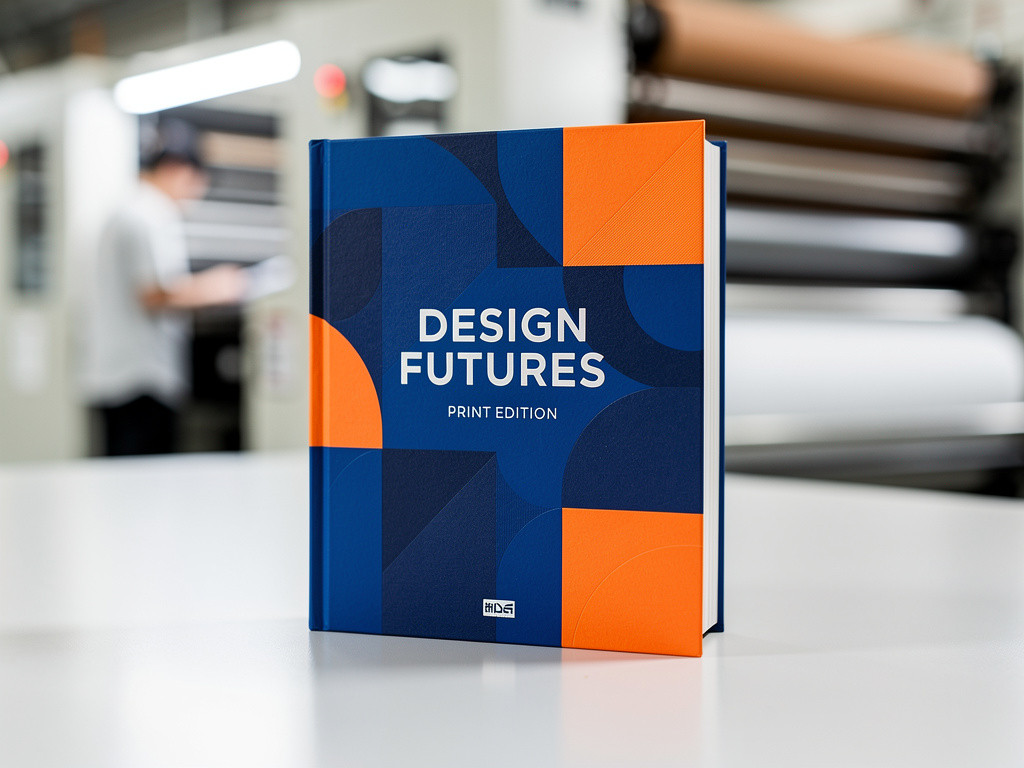
For companies producing branded catalogs, product lookbooks, or annual reports that double as promotional tools, high-quality book printing has adopted similar digital advantages—shorter runs, faster proofing cycles, and the flexibility to update content without minimum-order penalties.
Personalization at Scale
The era of generic logo-printed pens and one-size-fits-all t-shirts is ending. Modern consumers expect promotional items that feel curated for them as individuals. Variable data printing (VDP) now makes personalization economically viable at production scale. Every unit in a single run can carry a different name, unique QR code, or location-specific message. Full-color, high-resolution personalization is now achievable on substrates ranging from drinkware and apparel to notebooks and packaging.
Practical Advice for Print Buyers in 2026
For marketing and procurement teams, the key takeaway is straightforward: the barrier to entry for high-quality promotional printing has never been lower. Digital workflows, online quoting platforms, and streamlined production capabilities in Chinese manufacturing hubs mean brands can access professional printed promotional items without the traditional lead-time and minimum-quantity headaches.
The smartest play for 2026 is to combine sustainable material choices with digital printing flexibility. Start with smaller test runs to validate designs and audience response before scaling up. Prioritize items your audience will actually keep and use—reusable drinkware, quality notebooks, well-designed tote bags—rather than disposable giveaway trinkets.
Looking Ahead
As printing technology continues to converge with sustainability demands, the brands that invest in thoughtful, personalized, and genuinely useful promotional products will be the ones remembered. The conversation has shifted from "can we afford to produce this?" to "what creative approach will resonate most with our audience?" That is a welcome change for everyone in the industry.


.jpg)

No comments:
Post a Comment